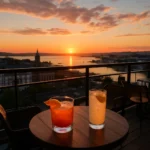
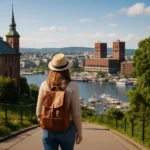



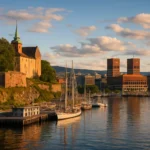

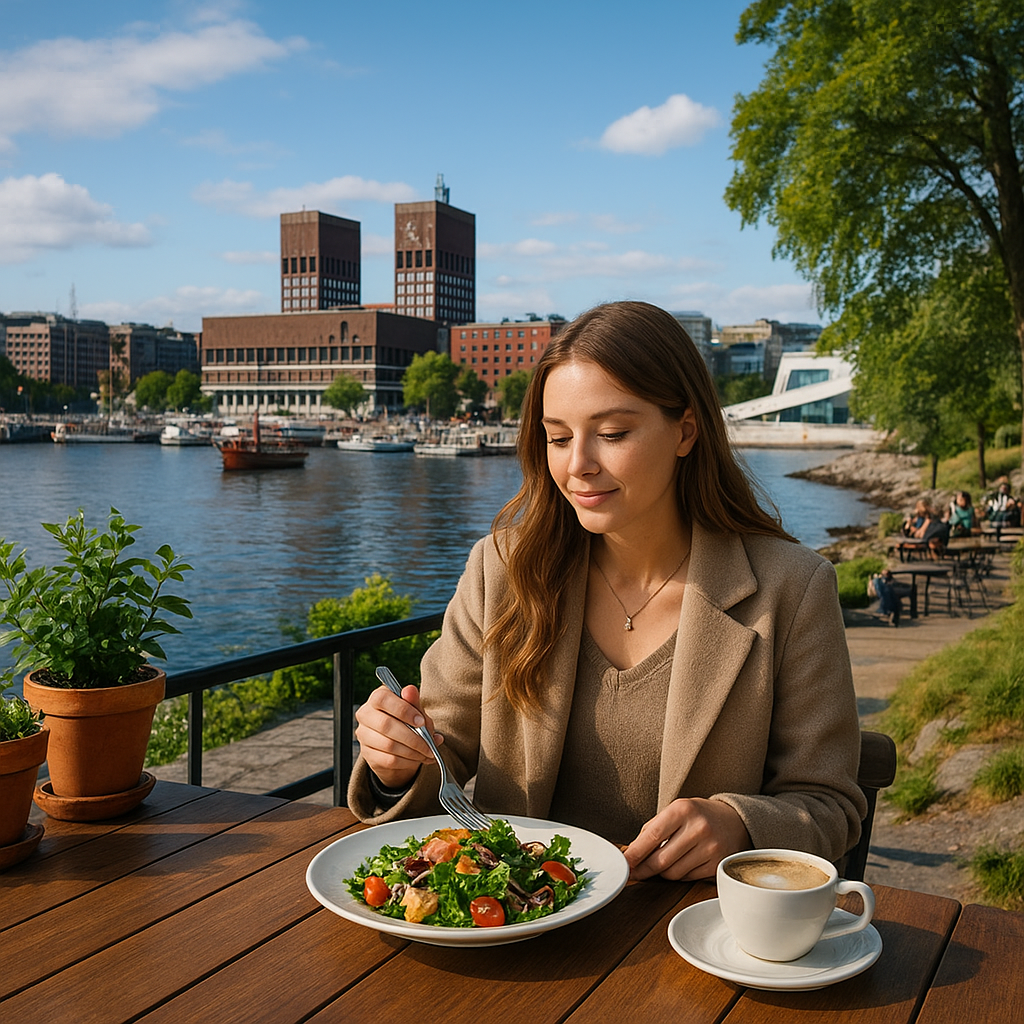
Oslo is a city where urban energy meets quiet fjord landscapes, and where centuries of Nordic tradition blend with bold contemporary ideas. It is also one of Europe’s fastest‑growing capitals, attracting entrepreneurs, artists, and outdoor lovers from all over the world. While some visitors are drawn by its design and architecture, others see it as a gateway to the Nordic economy, following resources such as currencies-investing.com to better understand the financial climate that shapes everyday life here. Yet beyond economics, Oslo’s real appeal lies in its balance: cutting‑edge culture, inventive food, and easy access to wild nature all coexist within the same compact, walkable city. Exploring this lifestyle means stepping into a place where you can attend an art opening, swim in the fjord, and enjoy seasonal Nordic cuisine, all in a single day.
The rhythm of everyday life in Oslo
Daily life in Oslo feels calm yet purposeful. People move quickly, but without the chaos you find in many large cities. Workdays are efficiently structured, and there is a strong social expectation that evenings and weekends are protected for family, friends, and outdoor activities. This emphasis on work‑life balance is not an empty slogan; it is a core part of the local **culture**, reflected in policies, workplace norms, and social behavior.
Public spaces are clean, safe, and inviting. Wide sidewalks, bike lanes, and pedestrian streets encourage walking and cycling. It is common to see parents biking with children in all seasons, senior citizens strolling along the waterfront, and students sitting by the fjord with takeaway coffee, even on cold days. Oslo residents adapt to weather instead of fighting it. Raincoats and wool layers replace umbrellas, and snow simply becomes part of the city’s texture rather than a disruption.
Another defining feature of Oslo’s lifestyle is trust. People generally respect rules, from recycling to public transport etiquette. This trust extends into social interactions: lost items are often returned, and it is normal to see expensive strollers left outside cafes. Such everyday details create a feeling of ease for both locals and visitors.
Oslo’s cultural landscape
Oslo’s cultural life has transformed in recent decades, evolving from a small Nordic capital into a vibrant **arts** hub. The most visible sign of this change is the waterfront, where striking contemporary buildings house some of the city’s most important institutions. Yet culture in Oslo extends far beyond museums and concert halls; it thrives in neighborhoods, public art, festivals, and informal creative spaces.
High culture and landmark institutions
The Oslo Opera House symbolizes the city’s ambition to integrate art into everyday life. Its sloping white roof invites people to walk up and enjoy panoramic views of the fjord and skyline, blurring the boundary between performance venue and public square. Inside, the opera and ballet companies maintain an international standard, while also staging modern productions that reflect contemporary themes.
Nearby stands the National Museum, with vast collections spanning classic Norwegian painting, design, and contemporary art. You can move from Edvard Munch’s iconic works to experimental installations in a single visit, experiencing how Norwegian identity has evolved over time. The MUNCH museum, located right by the water, is another major attraction, combining architecture, art, and social space: people come not only for exhibitions but for talks, concerts, and skyline views.
Music culture in Oslo is rich and diverse. While classical music remains important, especially at the Oslo Concert Hall, the city is equally known for jazz, metal, and electronic scenes. Intimate clubs host experimental performances late into the night, while larger venues attract international acts. This blend of genres reflects a population that is open to new sounds and influences.
Neighborhood creativity and everyday culture
To understand Oslo’s lifestyle, you need to step away from the main attractions and explore its neighborhoods. Grünerløkka, once an industrial area, now buzzes with small galleries, vintage shops, street art, and creative workspaces. Cafes double as co‑working spots, and you will often see designers, writers, and programmers working on laptops among groups of friends chatting over coffee.
In contrast, districts like Frogner and Majorstuen represent a more traditional side of urban life, with elegant buildings, parks, and established cultural institutions. Here you find theaters, bookstores, and more formal galleries. Yet even in these areas, Oslo’s relaxed approach is visible: people sit outside whenever possible, wrapped in blankets under heaters, turning sidewalks into extended living rooms.
Migrant communities have also reshaped Oslo’s cultural map. Areas such as Grønland and Tøyen feature international grocery stores, markets, and eateries, offering everything from Middle Eastern pastries to East African coffee. This diversity adds new layers to the city’s identity, making Oslo feel simultaneously Nordic and global.
Food culture: from traditional to experimental
Food in Oslo expresses both heritage and innovation. The traditional Norwegian diet centered on fish, root vegetables, and preserved foods has combined with influences from around the world, resulting in a scene that is surprisingly rich for a relatively small city. The lifestyle here values quality ingredients, seasonality, and ethical sourcing, and many residents pay close attention to where their food comes from.
Traditional Norwegian flavors
Classic dishes are still present, especially during holidays and special occasions. Cured salmon, herring, and cod appear in many variations, often served with rye bread, butter, and pickled vegetables. Lamb and game meats reflect the country’s long relationship with farming and forests. Although some traditional specialties, such as lutefisk or certain cured meats, can be challenging for newcomers, they remain important cultural symbols rather than everyday staples.
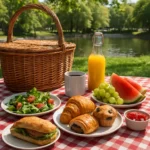
Breakfast and lunch often stay simple: open‑faced sandwiches with cheese, cold cuts, or fish, sometimes accompanied by boiled eggs or fresh vegetables. This simplicity is offset by the care given to ingredients. Smoked fish, artisan breads, and locally produced dairy products are widely appreciated, even in ordinary households. Seasonal fruits and berries, especially blueberries and cloudberries, are associated with late summer and early autumn, when many families go picking in the woods.
New Nordic and sustainable dining
Over the past decade, Oslo has embraced the broader New Nordic movement, emphasizing local, sustainable, and **seasonal** produce. Many restaurants build menus around what is available from nearby farms, forests, and waters. Chefs highlight herbs, seaweed, root vegetables, and lesser‑known fish species, reducing waste and celebrating biodiversity.
This approach has encouraged creativity. Fine‑dining venues reinterpret traditional recipes with modern techniques, while casual bistros serve clean, simple dishes that still feel sophisticated. Fermentation, pickling, and smoking—once used purely for preservation—now appear as flavor‑enhancing methods across the culinary spectrum. You might find cabbage transformed into an elegant dish through fermentation, or common local fish elevated with delicate sauces and unusual pairings.
Ethical considerations are central to Oslo’s food scene. Menus often indicate organic ingredients or sustainably caught seafood. Vegetarian and vegan options are widespread, not as an afterthought but as integral parts of dining culture. Coffee, too, receives almost obsessive attention; specialty cafes focus on traceable beans, precise brewing methods, and minimalist interiors that match Oslo’s design aesthetic.
Everyday eating and social rituals
In daily life, eating out is balanced with home cooking. Many people cook simple meals during the week and save restaurant visits for weekends or social occasions. Grocery stores carry a wide range of organic and locally produced items, reflecting the population’s interest in health and environmental impact.
Socially, coffee and cake play a central role. The tradition of “kos” or “koselig” roughly translates to coziness and is often expressed through small gatherings at home or in cafes, particularly during darker months. Candles, warm lighting, and shared snacks turn ordinary afternoons into a quiet form of celebration. This ritual may be understated, but it is one of the most distinctive aspects of Oslo’s lifestyle.
Nature at your doorstep
Oslo’s most remarkable feature is how easily residents move between city and wilderness. The city is ringed by forests, lakes, and hills collectively known as Oslomarka, and stretches along the Oslofjord, where islands and beaches are a short boat ride away. Nature is not a distant escape; it is interwoven with everyday routines.
Fjord life and waterfront transformation
The Oslofjord shapes both the city’s geography and its identity. Over the last years, former industrial docks have been transformed into public promenades, swimming areas, and cultural spaces. On warm days, people sunbathe on the modern harbor steps, jump into the water, or paddle kayaks between islands. Floating saunas have become a beloved trend, allowing residents to enjoy the fjord even in winter by combining icy swims with intense heat.
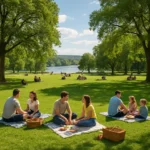
Waterfront living does not require owning a boat. Public ferries connect the city to nearby islands, where hiking trails, beaches, and picnic spots await. Families often spend summer weekends exploring different islands, while groups of friends bring grills and food to enjoy long evenings by the water. These simple experiences embody the local preference for direct contact with nature over elaborate entertainment.
The forest as a second home
To the north and east, forests stretch for kilometers, crisscrossed with trails and dotted with cabins and lakes. Public transport makes it easy to reach trailheads, which means that hiking, running, and skiing are accessible to almost everyone. On winter weekends, trains and metros fill with people carrying skis, from small children to older adults who have been gliding along these paths for decades.
In summer and autumn, the same areas become popular for hiking, berry picking, and camping. Many people feel a deep emotional attachment to these landscapes, seeing them as extensions of their homes rather than distant wilderness. Simple cabins without running water or electricity are cherished for their quiet and solitude, reflecting a lifestyle that values minimalism and direct experience of the outdoors.
This close relationship with nature influences urban planning as well. Green spaces are preserved within the city; parks and small forests appear in many districts, and waterfront access is treated as a public right. The idea is that everyone, regardless of income, should be able to enjoy clean air, open views, and natural surroundings.
Seasonal shifts and how they shape behavior
Oslo’s lifestyle changes dramatically with the seasons. Long summer days, with sunsets late at night, encourage people to stay outside for hours, meeting friends in parks, swimming, or simply walking without a fixed plan. Cafes spill onto sidewalks, and impromptu gatherings are common. The city feels light and energetic, with festivals, outdoor concerts, and cultural events filling the calendar.
When autumn arrives, colors shift and the atmosphere becomes more introspective. People spend weekends in the forest enjoying the changing leaves, while evenings gradually move indoors. Winter brings darkness and cold, but instead of retreating completely, Oslo residents adapt. Streetlights, decorations, and candlelit windows create a sense of warmth. Outdoor activities continue: skiing, ice skating, and winter walks are normal parts of daily life.
Spring is perhaps the most eagerly awaited season. As snow melts and temperatures rise, terraces re‑open and the first flowers appear in parks. This cyclical pattern teaches patience and appreciation; each season has its own pleasures, and locals adjust their habits rather than resisting change. The result is a lifestyle that feels closely tuned to natural rhythms.
Social values and community life
Underlying Oslo’s culture is a set of social values that prioritize equality, modesty, and collective responsibility. Income gaps exist, but visible displays of wealth are often toned down. People tend to dress simply, and public services such as healthcare, education, and transport are widely used, reinforcing a sense that society is shared rather than divided into separate worlds.
Community life often revolves around associations and clubs. Sports teams, music groups, volunteer organizations, and local initiatives offer ways for people to connect beyond work. Children and teenagers are encouraged to join activities that foster cooperation and trust. This participatory culture helps counteract the potential isolation of urban living.
At the same time, privacy is highly respected. Social interactions may initially feel reserved to outsiders, but once connections are formed, they tend to be genuine and long‑lasting. The balance between personal space and communal responsibility is a defining characteristic of Oslo’s social fabric.
Design, architecture, and urban identity
Oslo’s visual identity mixes historical architecture with clean, modern **design**. Wooden houses in older districts, grand 19th‑century apartment blocks, and new glass‑and‑steel buildings coexist without overwhelming each other. Many recent projects emphasize accessibility, sustainability, and openness to the public.
Urban developments focus on creating livable, human‑scaled environments rather than imposing monuments. Streets are designed for walking and cycling, plazas invite lingering, and waterfront zones prioritize pedestrians over cars. These choices reflect a broader **sustainability** mindset that runs through both public policy and private behavior.
Interior design in homes, cafes, and offices often follows a minimalist aesthetic: light colors, natural materials, and uncluttered spaces. This is not purely a stylistic preference but part of a lifestyle that values calm, order, and functionality. The same principles influence how people organize their time, from structured workdays to carefully planned leisure.
Living Oslo’s balance of culture, food, and nature
To experience Oslo fully, you need to embrace its balance. Spend a morning in a museum or gallery, then have lunch at a cafe serving locally sourced dishes. In the afternoon, walk along the fjord or take a tram to the edge of the forest for a short hike. In the evening, join friends for a concert, a shared meal, or a quiet gathering centered around candles, conversation, and coffee.
What distinguishes Oslo is not a single attraction but the way all elements connect: a cultural scene that feels accessible, a food culture that respects both tradition and innovation, and natural surroundings that are part of daily life rather than rare escapes. The result is a lifestyle that is at once modern and grounded, shaped by **community**, **environment**, and a deep appreciation for balance. For visitors and residents alike, Oslo offers a living example of how a city can grow and change while staying closely tied to its landscape and values.