






Oslo, the vibrant capital of Norway, offers an unparalleled fusion of historic charm and cutting-edge innovation. From centuries-old wooden masterpieces to cutting-edge waterfront developments, the city’s architecture scene captivates visitors and locals alike. Embarking on one of the city’s best tours allows you to witness iconic landmarks, discover hidden gems and gain insight into the creative minds behind some of Europe’s most exciting projects. This guide highlights must-visit experiences, expert advice and insider knowledge for anyone looking to immerse themselves in Oslo’s rich built environment.
Exploring Oslo’s Architectural Landscape
Oslo’s trajectory from a modest medieval settlement to a global design hub is a testament to its dynamic history and commitment to sustainable growth. The city’s skyline is characterized by a striking contrast between traditional wooden churches and the sleek lines of contemporary skyscrapers. Any enthusiast exploring this urban tapestry will quickly appreciate how each design choice contributes to a cohesive yet diverse cityscape.
From Stave Churches to Modern Icons
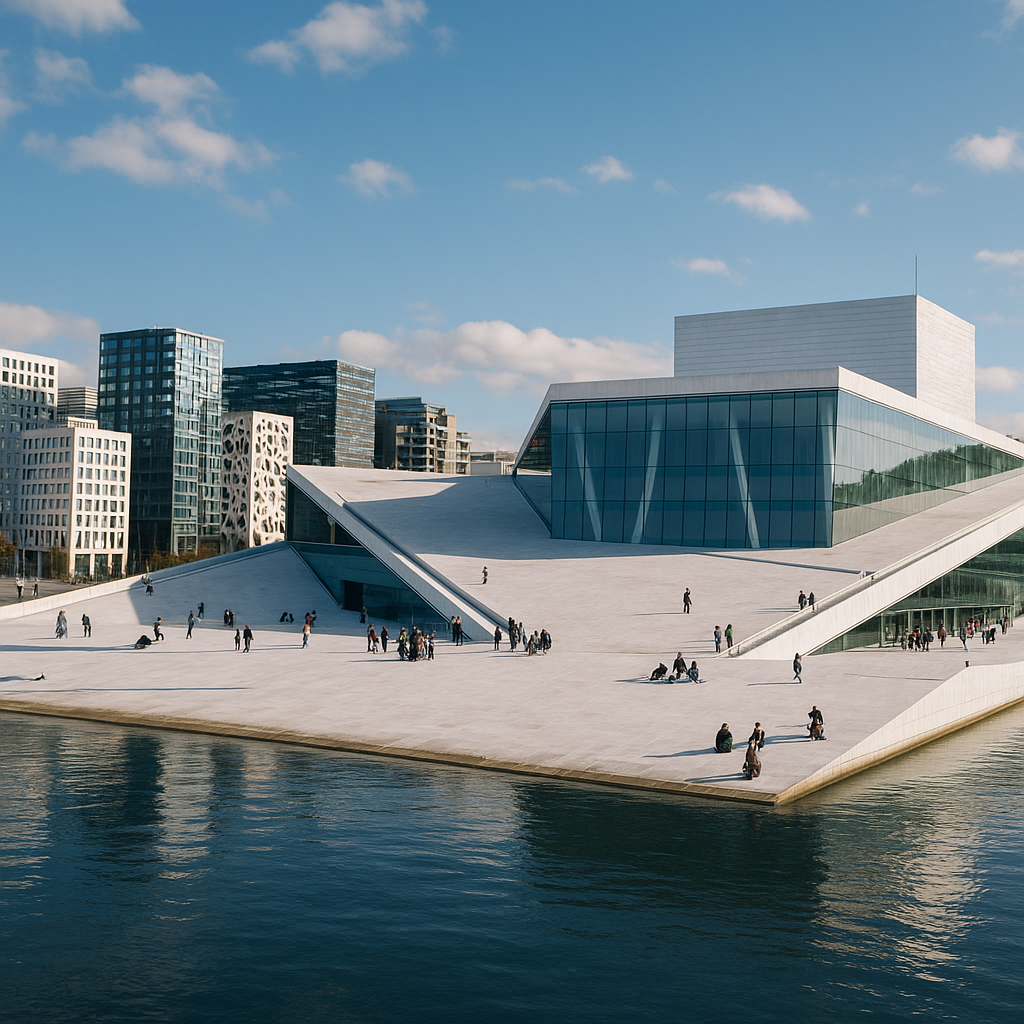
One of the earliest architectural testimonies in the region is the iconic Gol Stave Church (a replica in Bygdøy), showcasing Norway’s medieval craftsmanship and wooden construction techniques. Fast-forward to the 21st century, and you encounter the Oslo Opera House, where sharp angles and a marble-clad exterior invite visitors to literally walk on the roof. The juxtaposition of these two structures encapsulates the city’s dialogue between preservation and progress.
Key Architectural Districts
- Aker Brygge and Tjuvholmen: A revitalized waterfront area featuring bold apartment buildings, art galleries and the Astrup Fearnley Museum.
- Barcode Project: A series of high-rise office blocks creating a distinctive “barcode” effect along the harbor, symbolizing the city’s embrace of innovation.
- Grünerløkka: Once an industrial zone, this bohemian neighborhood now brims with renovated factories turned into creative studios and hip cafes.
Top Guided Tours for Design Enthusiasts
Opting for a guided tour ensures you’ll benefit from professional commentary, behind-the-scenes access and curated routes that highlight both celebrated icons and lesser-known marvels. Below are some of the most popular options tailored to different interests, from contemporary design aficionados to fans of historic restoration.
Walking Tours with Local Experts
- Oslo City Walk: Architecture Highlights – A two-hour urban stroll led by certified guides who share fascinating anecdotes about city planning, sustainable features and landmark facades. Ideal for first-time visitors seeking an immersive overview.
- Stavanger Stroll & Wood Wonders – Although primarily focused on neighboring regions, this day trip explores traditional wooden craftsmanship and its impact on Oslo’s early architecture, marrying rural charm with urban narratives.
- Barcode & Bjørvika Waterfront Tour – A deep dive into the design process behind one of Europe’s most ambitious regeneration projects, complete with commentary on planning challenges and environmental goals.
Boat and Bike Tours
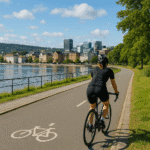
- Fjord Bikes – Pedal along the scenic waterfront while learning about modern residential complexes, public art installations and green initiatives that shape the harbor environment.
- Architectural Fjord Cruise – A relaxed waterborne journey showcasing signature designs from the sea, such as the twisty Munch Museum extension and the solemn Nobel Peace Center, with expert narration onboard.
Hidden Gems and Contemporary Marvels
Beyond the headline attractions, Oslo hides a wealth of unique structures that reveal the city’s experimental spirit. Seeking out these treasures offers a deeper appreciation for the local culture and pioneering experts who drive Norway’s forward-thinking approach to architecture.
Innovative Community Projects
- Kværnerbyen – A former shipyard reborn as a mixed-use neighborhood complete with co-housing initiatives, energy-positive buildings and community gardens. Its streets exemplify how modern design can foster sustainable living.
- Tøyen Ecosystem – An ambitious project amalgamating urban farming, repurposed military buildings and a biodiversity-focused public park. This development underlines Oslo’s commitment to social inclusion and environmental stewardship.
Under-the-Radar Masterpieces
Wandering through Frogner Park, you might stumble upon quiet courtyard clusters by architect Lars Backer, whose early modernist works remain surprisingly well-preserved. Similarly, the slender profile of Kunstnernes Hus (Artists’ House) near the Royal Palace deserves attention for its restrained elegance and social significance as a gathering place for Norway’s artistic community.
Expert Tips for an Unforgettable Exploration
To make the most of your architectural journey in Oslo, consider these practical recommendations compiled from local guides and seasoned travelers. Each tip serves to enhance your understanding and ensure a seamless, memorable experience.
Planning and Preparation
- Book popular tours well in advance, especially during summer months when both locals and tourists flock to the city.
- Check weather forecasts; many tours combine outdoor walks and boat rides. Layered clothing and comfortable shoes are essential.
- Download offline maps of key districts like Aker Brygge and Grünerløkka to navigate easily between stops and explore off the beaten path.
Maximizing Your Visit
- Combine a guided tour with self-guided exploration. After a structured walk, revisit favorite spots at your own pace, photographing details that caught your eye.
- Engage with local architecture students or professors through university open days, workshops and public lectures held at Oslo School of Architecture and Design.
- Visit architectural bookshops such as Tronsmo or ARK Bokhandel for specialized publications and to connect with like-minded travelers and professionals.
Sustainable and Cultural Considerations
Norway’s commitment to green building standards is reflected in many of the sites you’ll visit. Support eco-friendly initiatives by choosing tours that highlight carbon-neutral construction and adaptive reuse of historic structures. Respect local customs by observing quiet hours in residential neighborhoods and avoiding drone photography in protected areas.
Whether you’re tracing the roots of medieval carpentry or marveling at avant-garde office blocks, Oslo’s architectural narrative unfolds through every street, park and fjord-facing façade. With the right guide and a spirit of curiosity, your journey will reveal not just monuments of the past but glimpses of future urban living. Embrace the dialogue between old and new, and let the city’s visionary designs inspire your next creative endeavor.