



Oslo’s city center is a melting pot of architectural marvels where history meets cutting-edge design. In the heart of downtown, each building reflects decades of evolution, showcasing an ever-changing skyline that defines Norway’s capital as a beacon of creativity and forward-thinking urban planning. This article explores the most striking examples of architecture in downtown Oslo, highlighting how the city balances its storied past with bold new visions.
Architectural Heritage Meets Modernity
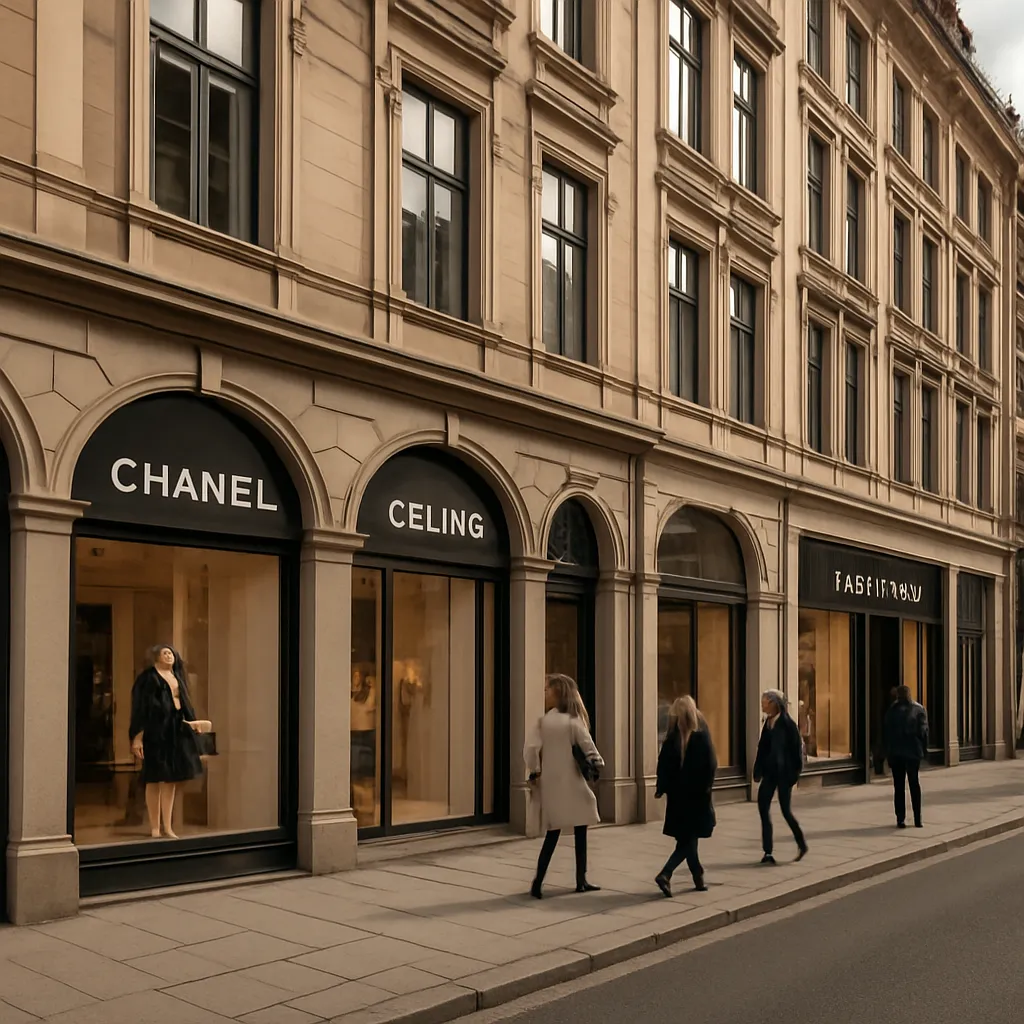
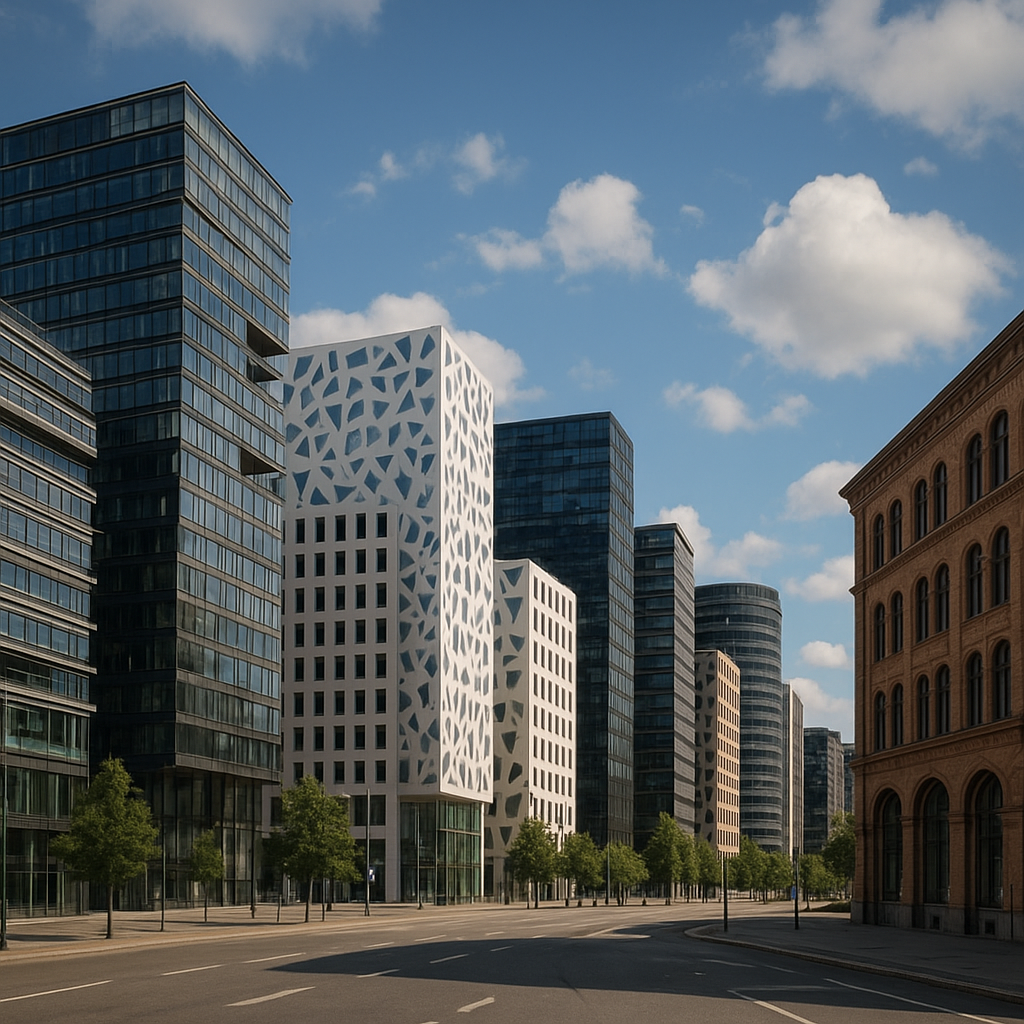
One of the defining features of Oslo’s downtown is the seamless fusion of heritage structures and contemporary towers. Old warehouses and neoclassical facades stand side by side with glass-fronted buildings, creating a visual dialogue that is both dynamic and respectful of the past. By preserving key monuments and repurposing them for new functions, the city demonstrates a commitment to its roots while embracing change.
The Legacy of Oslo’s Waterfront
The harbor area, often referred to as Aker Brygge and Tjuvholmen, has undergone a remarkable transformation from a working port to a vibrant mixed-use district. Architecturally, this zone is characterized by low-rise brick buildings that have been meticulously restored and interspersed with innovation-driven glass pavilions. Urban planners prioritized sustainability and pedestrian access, resulting in open plazas, waterfront promenades, and art installations that invite both locals and tourists to engage with the environment.
- Barcode Project: A series of thirteen slim, staggered towers that create a unique rhythm along the quay, representing modern Oslo’s ambition to redefine its cityscape.
- Astrup Fearnley Museum: Designed by Renzo Piano, this contemporary art museum sits on reclaimed land and showcases a sleek, minimalist design with abundant natural light.
- Concrete Wharf Halls: Former industrial wharf halls rehabilitated into boutiques and eateries, blending old-world charm with modern comfort.
Historic Landmarks Reimagined
Throughout downtown, several key landmarks have been repurposed to serve today’s urban needs. The former railway station area known as Jernbanetorget has evolved into a major transit hub surrounded by shopping centers and corporate offices housed in renovated turn-of-the-century buildings. Likewise, the defunct Deichman Library building now hosts cultural events and exhibitions, proving that clever integration of old and new can revive dormant spaces.
Sustainability and Innovation in Design
Oslo’s commitment to the environment is evident in its architectural projects, many of which aim to minimize their ecological footprint. New developments are often evaluated under strict green building standards, ensuring that energy efficiency, resource conservation, and indoor environmental quality are at the forefront. This trend has inspired architects to experiment with materials and technologies that promote healthier, more resilient buildings.
Green Building Practices
From solar panels integrated into roofs to geothermal heating systems, Oslo’s downtown buildings incorporate advanced features that reduce dependence on fossil fuels. The landmark Powerhouse concept, which generates more energy than it consumes over its lifetime, has influenced several office complexes and residential towers. Emphasis on high-performance glazing, green roofs, and smart ventilation further enhances these structures’ overall functionality and longevity.
- Triple-glazed windows with automated shading devices to optimize daylight and reduce cooling loads.
- Rainwater harvesting systems that supply greywater for irrigation and sanitary use.
- Use of certified timber and recycled steel to lower embodied energy in construction materials.
Innovative Facades and Materials
Architects in Oslo are pushing the envelope with novel facade treatments that offer aesthetic appeal and environmental benefits. Dynamic curtain walls featuring photovoltaic cells, self-cleaning coatings, and biophilic design elements—such as vertical gardens and living walls—contribute to healthier urban spaces. The new public library on Schous plass, for example, sports a façade of perforated aluminum panels that filter light and regulate temperature, illustrating a marriage of form and environmental performance.
Cultural Centers and Public Spaces
Beyond individual buildings, the quality of public realm in downtown Oslo is central to the city’s architectural success. Carefully designed plazas, parks, and pedestrian thoroughfares foster social interaction and reinforce the notion that great cities are defined by their communal spaces as much as by their landmark structures.
Community Hubs and Cultural Venues
The recently completed MUNCH Museum, dedicated to Edvard Munch’s works, stands prominently near the waterfront. Its staggered terraces and multi-level terraces create diverse vantage points for both art enthusiasts and passersby. The museum’s striking angled façade offers glimpses of the city while framing spectacular views of the fjord, demonstrating how architecture can bridge cultural experiences with urban context.
- Opera House Plaza: An expansive marble platform that slopes gently into the water, inviting visitors to walk on its roof and admire panoramic vistas.
- Spikersuppa Ice Rink: A seasonal public rink in the city’s festive heart, surrounded by historic buildings and modern light installations.
- Youngstorget Square: A hub for live performances, political gatherings, and weekend markets, defined by its eclectic collection of architectural styles.
Designing for Human Scale
Despite the rise of high-rise towers, downtown Oslo places great emphasis on human-scale design. Sidewalk widths, street furniture, and careful tree plantings ensure pedestrian comfort. Subtle setbacks in building massing prevent canyon-like streets, while uniform cornice heights and consistent materials create a harmonious urban fabric. This approach underscores the belief that architecture should remain accessible, fostering a sense of belonging rather than overwhelming individuals.
In the span of just a few city blocks, downtown Oslo offers an architectural journey through time and innovation. From repurposed heritage buildings to ultra-efficient new constructions, each project contributes to the city’s reputation as a global leader in urbanism and design. The careful balance of bold ambition and reverence for history cements Oslo’s position as a benchmark for cities seeking to evolve sustainably and beautifully.