






Oslo’s streets come alive with a kaleidoscope of sound, color, and movement as a diverse array of performers transforms public spaces into open-air stages. From spirited musicians and dynamic dancers to captivating mime artists and illusionists, the city’s street performing scene offers an unforgettable sensory journey. Whether you’re strolling along the historic Aker Brygge waterfront, exploring Grünerløkka’s bohemian alleys, or wandering past the Royal Palace, you’ll encounter moments of magic orchestrated by some of Oslo’s most talented creatives. This article dives into the heart of Oslo’s street artistry, uncovering the performers, styles, and cultural dynamics that make this urban showcase truly vibrant.
Encounters with Rhythm: Music Acts on Oslo’s Streets
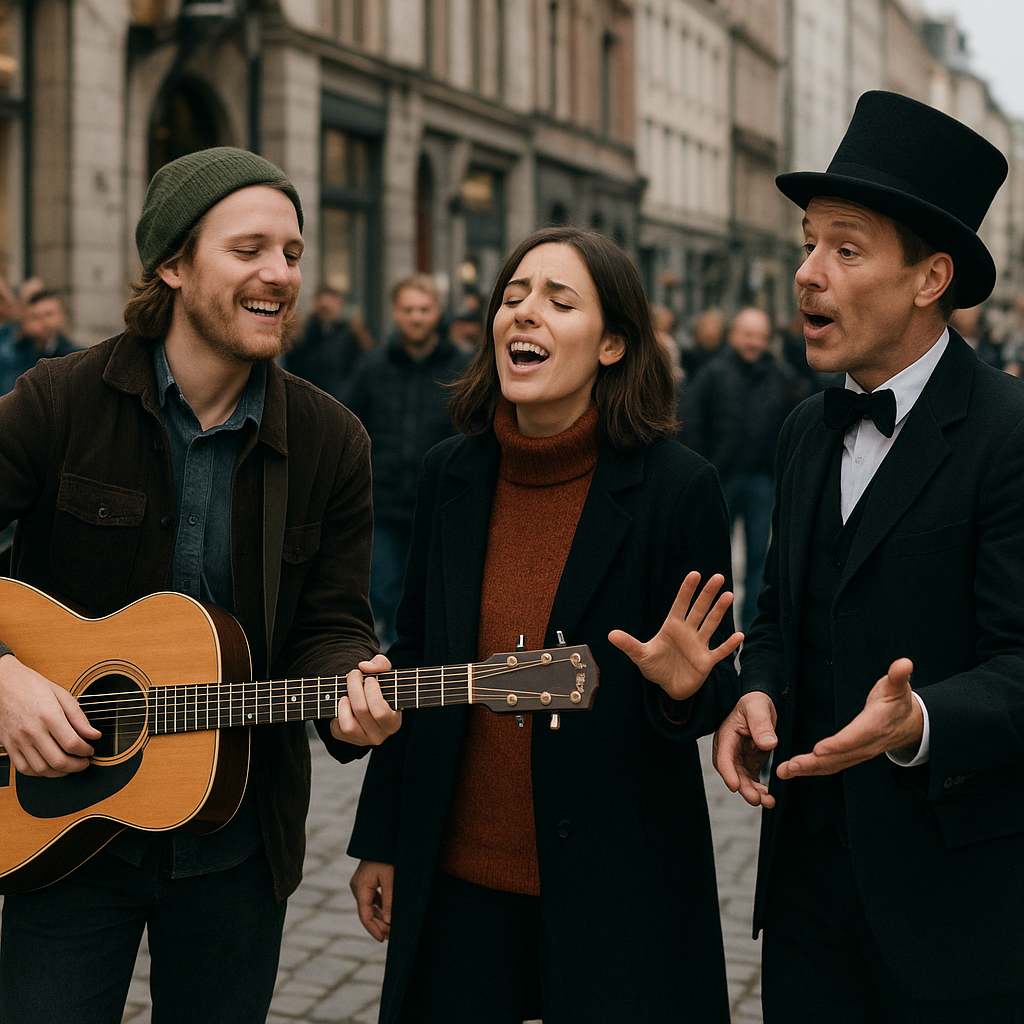
Norwegian capital’s pedestrian zones resonate with a rich tapestry of musical genres, reflecting both local traditions and global influences. At Karl Johan Gate, you might be greeted by the warm tones of an acoustic guitar, accompanied by soothing vocals that draw passersby into a spontaneous chorus. Meanwhile, Grünerløkka’s parks and squares host jazz ensembles, complete with walking double bass and soulful saxophone solos that float through the crisp air.
One standout performer is known for an impressive one-man-band setup—incorporating drums, loop pedals, and harmonica—while another duo mesmerizes audiences with intricate violin and cajón rhythms. The city’s evolving street music culture has become a platform for experimental sounds as well: fusion of electronic beats with traditional Nordic folk melodies, or ambient harp arrangements echoing softly through tree-lined promenades.
Seasonal festivals, like the annual Busker Nights, elevate the experience even further, drawing international talent alongside homegrown stars. Here, you might discover a flamenco guitarist whose fingers dance over the strings or a Balkan brass band that ignites spontaneous dance circles. Many of these artists rely on word-of-mouth and social media to share performance schedules, encouraging curious listeners to explore different neighborhoods in search of their next melodies.
In addition to scheduled showcases, impromptu jam sessions often break out near ferry terminals and tourist hubs. Participatory percussion circles invite onlookers to grab a tambourine or bongos, fostering an atmosphere of communal interaction and creativity. These vibrant gatherings not only entertain but also blur the line between performer and audience, highlighting Oslo’s commitment to inclusive public spaces.
Artistry on the Move: Visual and Performance Art
Beyond musical talents, Oslo’s street scene thrives on a wide range of visual and theatrical artists. You’ll encounter living statues—immaculate in white makeup and poised as if carved from marble—who remain motionless until a coin lands at their feet, at which point they spring into a brief dance or offer a playful gesture. Mime artists explore silent narratives in front of landmark backdrops like the Akershus Fortress, inviting spectators to interpret stories in real time.
Notable performance groups harness the power of innovative props: LED hoops that trace glowing circles in the dusk, fire-spinning acts that illuminate cobblestone alleys after dark, and stilt walkers dressed as mythical creatures wandering through festivals. These performers often collaborate with local visual artists to design costumes and street installations, turning ordinary corners into immersive, ephemeral galleries.
Live painters set up easels in front of Oslo Central Station, capturing the bustle of travelers in bold strokes and vibrant palettes. As they work, onlookers watch brush meet canvas, witnessing the rapid emergence of cityscapes, portraits, or abstract impressions. Some artists offer quick portrait sketches for a modest fee, creating intimate souvenirs that celebrate the intersection of passerby and creator.
Dance troupes also claim their share of sidewalk stages, presenting everything from breakdancing battles to contemporary dance duets. One particularly engaging ensemble combines spoken word with interpretive movement, delivering social commentary on urban life through synchronized steps and rhythmic speech. Their performances underscore the importance of public art in provoking thought and forging connections among diverse audiences.
Audience and Community Impact
Street performers in Oslo do more than entertain; they contribute significantly to the city’s cultural fabric and local economy. Through spontaneous performances, they draw crowds that increase foot traffic for nearby cafés, boutiques, and galleries. As visitors pause to admire a talented busker or marvel at an acrobat’s flips, they often end up exploring hidden shops and eateries down side streets.
Local authorities and business associations have recognized the positive ripple effects of street art, leading to designated performance zones equipped with seating and acoustic enhancements. This formal support helps maintain a balance between artists’ freedom and neighborhood peace, ensuring that audiences can enjoy lively acts without causing disruptions to residents.
Community workshops led by seasoned street performers also foster the next generation of talent. Weekend classes on beatboxing, body percussion, and improvisational theatre introduce youth to creative expression and build confidence in public speaking and stage presence. These initiatives frequently receive funding from cultural grants, reflecting Oslo’s investment in nurturing grassroots arts.
The synergy between performers and audiences cultivates a unique sense of ownership over public space. Rather than viewing streets solely as transit routes, citizens and tourists alike become participants in a dynamic cultural exchange. This collective approach to creativity underscores a wider Scandinavian ethos that values shared experiences and the democratization of art.
Tips for Tourists Seeking Street Shows
To maximize your street performance experience in Oslo, consider the following suggestions:
- Plan your visit around peak activity times—late afternoons and early evenings tend to host the most acoustic and dance acts, while weekends often showcase headline performers in popular squares.
- Follow local busker collectives on social media platforms to get real-time updates on performance schedules and locations. Many groups use Instagram or Facebook Stories to announce pop-up shows.
- Carry small change in coins, as tipping remains the primary means of supporting street artists. Generosity encourages extended sets and fosters goodwill between performers and their audiences.
- Respect performance etiquette: avoid blocking sight lines, refrain from unnecessary flash photography, and feel free to engage through clapping, dancing, or joining in interactive segments.
- Explore beyond the main tourist corridors. Hidden gems often await in areas such as Tøyen Park, Sagene, and along the Akerselva river path, where up-and-coming acts test new material before busier crowds.
- Look out for special events and festivals like Downtown Oslo Festival or Oslo Culture Night, where the concentration of acts and installations creates a street art mosaic that spans multiple neighborhoods.
Embracing these tips will enrich your journey through Oslo’s streets, ensuring you discover not only the city’s iconic landmarks but also its most innovative and dedicated street performers. Each encounter offers a glimpse into Norway’s thriving urban arts scene and the boundless talent animating public spaces from dawn until dusk.