




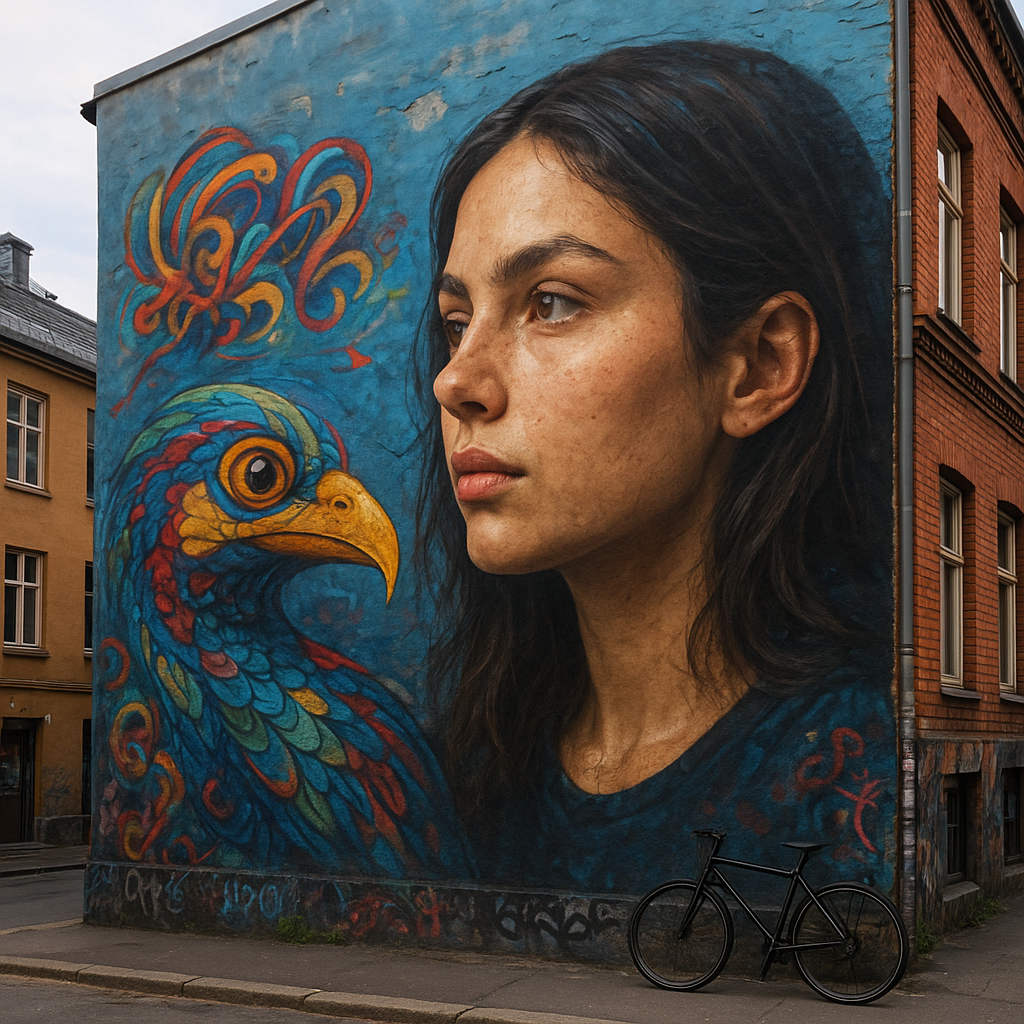
Oslo’s street art scene is a testament to the city’s creative spirit and evolving urban landscape. From hidden alleyways to expansive building facades, every corner of the Norwegian capital offers a window into local and international artistic dialogues. This guide delves into the most exciting districts, renowned artists, community initiatives, and practical tips for experiencing the best street art Oslo has to offer.
Exploring Key Neighborhoods and Murals
Grünerløkka: The Bohemian Hub
Often compared to Berlin’s Kreuzberg, Grünerløkka stands out as Oslo’s epicenter of alternative culture. Cafés, thrift shops, and galleries mingle with walls adorned in bold graffiti and intricate stencils. Wander along Markveien and Olaf Ryes plass to discover large-scale mural projects executed by both emerging talents and established names.
Tøyen and Grønland: Cultural Crossroads
These adjacent districts boast a multicultural atmosphere that infuses street art with global influences. In Tøyen, the park area and streets around Grønlandsleiret host rotating outdoor exhibits. Grønland’s narrow lanes reveal small-scale pieces that provide sharp social commentary, reflecting the lives of Oslo’s immigrant communities.
Vippetangen and Sørenga: Waterfront Transformations
Once industrial piers, these waterfront zones now serve as canvases for dynamic works that contrast the serene fjord backdrop. The popular Sørenga Promenade features a series of geometric murals, while shipping containers in Vippetangen have been repurposed as temporary exhibition spaces, showcasing abstract and figurative pieces alike.
Influential Artists and Signature Projects
- Dolk: Known for his satirical stencils, Dolk’s work often appears unannounced on city walls, sparking conversations about consumerism and politics.
- M-City: A pioneer of large-scale stencil graffiti, his hyper-realistic cityscapes pay homage to architecture and industrial heritage, visible in central Oslo.
- Pøbel: Mixing humor and critique, Pøbel’s pieces range from subtle rooftop installations to sprawling street murals that challenge traditional art spaces.
- Borondo: The Spanish artist’s fluid, portrait-driven compositions have appeared on container walls at the Opera Wharf, blending classical techniques with urban aesthetics.
- Kashink: Bringing feminist perspectives to public spaces, Kashink’s pixelated figures and vibrant color palettes can be spotted around Mathallen Food Hall.
Festivals, Legal Walls, and Community Initiatives
Blockbuster Street Art Festival
Every summer, Oslo hosts a major street art festival that invites international crews to leave their marks on designated zones. Murals created during the event remain as long-term installations, enriching the city’s visual identity for years.
Legal Walls and Public Projects
To foster community engagement and ensure safe, sanctioned outlets for expression, the municipality allocates certain walls free of permit requirements. Locations like the underpass at Torshov and sections of the Akerselva riverfront have become hotspots for collaborative murals and guerrilla art.
Youth Empowerment Programs
Several non-profits collaborate with schools and youth centers to run workshops, allowing young artists to experiment with spray paint and wheatpaste. This outreach encourages responsible graffiti practice and nurtures the next generation of street talent.
Stories Behind the Walls
The Migrant Voices Project
Commissioned by local NGOs, this series of portraits highlights refugee and migrant narratives. Each mural pairs a likeness with a biographical note, creating a moving public gallery that fosters empathy and cross-cultural understanding.
Environmental Advocacy Murals
Drawing attention to climate change and sustainability, these works—often appearing near bike lanes and parks—incorporate recycled materials and natural motifs. They serve as transformative reminders of humanity’s relationship with nature.
Historical Echoes
Some artists pay tribute to Oslo’s past by reimagining black-and-white photographs through spray paint. These installations link contemporary viewers to wartime events and urban development stories, blending nostalgia with present-day commentary.
How to Experience Oslo’s Street Art
- Guided Tours: Local guides offer walking and cycling tours, providing context on artistic techniques, hidden gems, and neighborhood histories.
- Self-Guided Routes: Downloadable maps cover major clusters of murals in Grønland, Vålerenga, and Frogner.
- Photography Etiquette: Always ask permission when interacting with active artists, and respect private property boundaries.
- Timing Visits: Early mornings and weekends tend to be quieter, allowing for uninterrupted viewing and photography.
Practical Tips and Respectful Engagement
When exploring street art, keep these guidelines in mind:
- Do not deface or tag existing murals—support the original message and effort.
- Carry minimal equipment: a small camera, water bottle, and comfortable shoes suffice.
- Join local community events to learn about upcoming mural unveilings.
- Use social media hashtags like #OsloStreetArt and #GatekunstOslo to share discoveries and connect with artists.
Street Art’s Ongoing Evolution
Oslo’s open-air galleries continue to shift with the seasons, reflecting societal debates, global art trends, and grassroots innovation. By weaving together the efforts of individual creators, civic programs, and international collaborators, the city has cultivated a vibrant, innovative street art ecosystem that resonates well beyond Norway’s borders.