



Nestled between verdant hills and a shimmering harbor, Oslo offers an unparalleled backdrop for aspiring photographers and seasoned professionals alike. Exploring this Nordic capital unveils a tapestry of modern design, historic charm, and natural wonders. Whether you’re seeking to capture sleek glass facades against dramatic skies or intimate street scenes reflecting daily life, the city’s diverse settings provide endless inspiration. Embrace your camera and prepare to uncover the most photogenic spots that make Oslo a must-visit destination for anyone passionate about photography.
Urban Architecture and Skyline Views
The fusion of contemporary design and classic structures shapes Oslo’s distinctive urban landscape. From the futuristic Harbor Quarter to centuries-old neighborhoods, every corner tells a story through lines, shadows, and reflections. Observing how light dances across surfaces at different times of day reveals hidden details and offers opportunities to sharpen your composition skills.
Barcode Project
The striking cluster of high-rise buildings along the waterfront, known as the Barcode District, presents an ever-changing interplay of glass panels and steel beams. Early morning light creates soft reflections on the water, while late afternoon rays cast long shadows between the towers. To capture this place:
- Position yourself near the quay for wide-angle shots that include both the buildings and their reflections.
- Use a slow shutter speed to blur water movement and emphasize the rigid geometry of the façades.
- Experiment with vertical framing to accentuate the district’s distinctive striped pattern.
Oslo Opera House
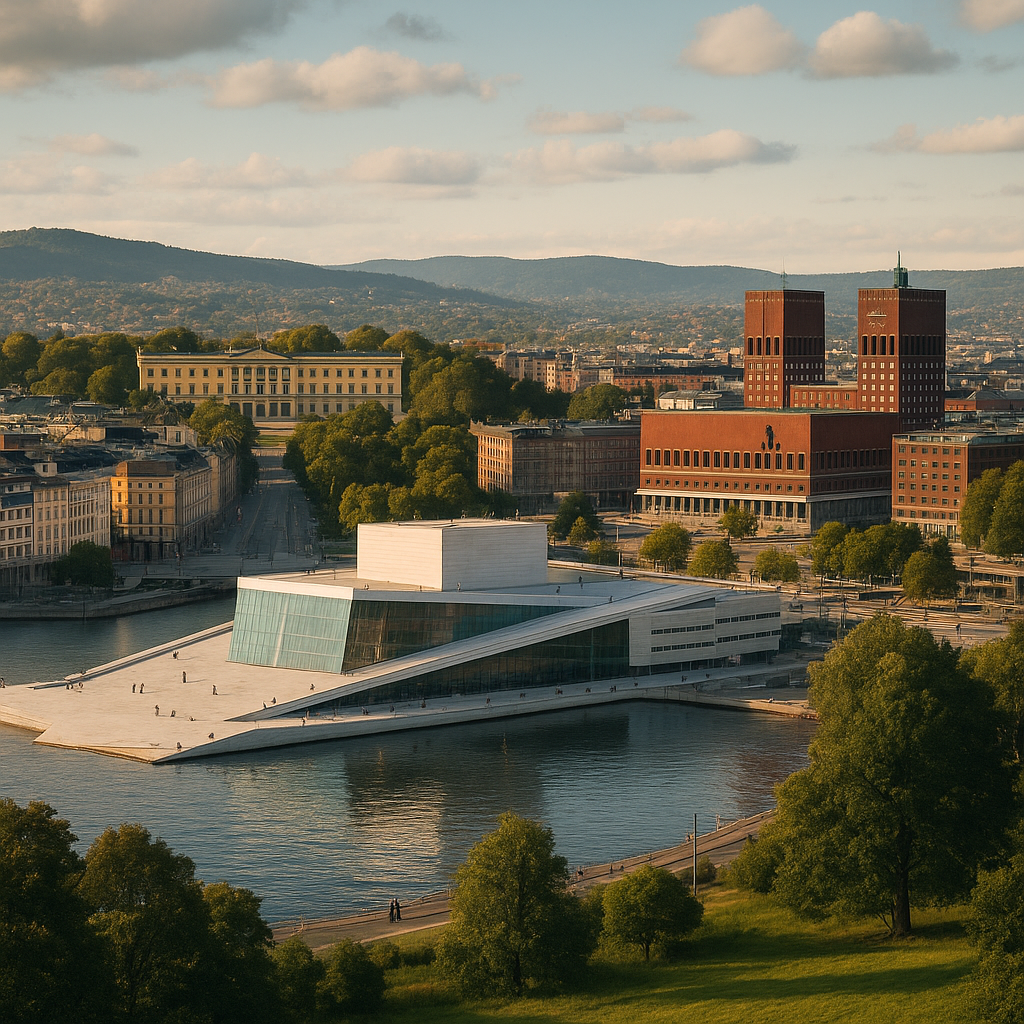
Rising like an iceberg from the fjord, the Oslo Opera House offers sweeping ramps and sharp angles that contrast with its surrounding environment. Its sloping roof invites visitors to walk upward, creating dynamic vantage points. Key tips:
- Capture silhouettes at dawn against pastel skies.
- Focus on close-ups of the white marble exterior to highlight texture and detail.
- Embrace wide shots from the harbor to include the building within the broader skyline context.
Natural Landscapes and Waterfront Scenes
Although famed for its contemporary urbanity, Oslo is equally celebrated for pristine parks and glistening water’s edge. Photographers can transition from concrete to lush greenery or calm waterfronts within minutes, making the city a playground of contrasts. The interplay between built and natural environments encourages experimentation with color, framing, and depth of field.
Vigeland Sculpture Park
Home to over two hundred bronze and granite figures by sculptor Gustav Vigeland, this park invites you to document the human form in motionless grace. Graceful pathways wind through monoliths, intimate fountains, and soaring column complexes. Tips for memorable images:
- Use a telephoto lens to isolate individual sculptures against tree-lined backgrounds.
- Shoot in soft light just after sunrise to avoid harsh midday shadows.
- Incorporate park visitors to add a sense of scale and narrative to your frames.
Aker Brygge and Tjuvholmen
Just west of the city center, the revitalized waterfront areas of Aker Brygge and Tjuvholmen feature piers, art installations, and modern marina scenes. Vibrant eateries and breezy boardwalks set the stage for capturing urban life by the sea:
- Frame boats docked in the harbor with city structures rising behind them.
- Seek out reflections in puddles or puddled water after rain for abstract patterns.
- Photograph the bustling atmosphere during golden hour to infuse your images with warm, vibrant hues.
Panoramic Vantage Points
Elevated sites around Oslo grant breathtaking panoramas that extend from dense woodlands to the sprawling fjord. Finding the right hilltop or hillside ensures you seize wide-angle compositions that convey the city’s expansive majesty.
Holmenkollen Ski Jump
Perched high above the city, the iconic ski jump delivers sweeping views over Oslo and the inlet. The glass-walled observation deck provides uninterrupted 360-degree panoramas. Recommendations:
- Use a polarizing filter to deepen the sky’s blue and reduce glare from water bodies.
- Shoot during the blue hour for a soft, evenly lit scene and luminous building lights.
- Include people in the foreground to emphasize depth and scale.
Grefsenkollen
Accessible by car or hiking trail, Grefsenkollen offers a more secluded viewpoint with minimal crowds. Its vantage point bestows a sweeping arc of rooftops, waterfront, and distant islands. Composition strategies:
- Opt for panoramic stitching to capture the full breadth of the cityscape.
- Scout the site beforehand to discover unique foreground elements like old stone walls or native pines.
- Return in different weather conditions—misty mornings can evoke a dreamy, ethereal mood.
Vintage Ferry Decks
For a less conventional panorama, board one of the classic wooden ferries crossing the fjord. Each departure offers live movement, framing Oslo’s shores as the vessel glides through calm water. Shooting tips:
- Stabilize your camera on the railing to reduce shake, especially when zoomed in.
- Time your journey around sunset to capture bold sky gradients mirrored in the fjord’s surface.
- Incorporate fishing boats and seagulls to convey a sense of place.
Hidden Gems and Street Storytelling
Beyond grand viewpoints and postcard-ready scenes, Oslo’s alleys, markets, and lesser-known quarters reveal the city’s authentic heartbeat. Here, ambient lighting and spontaneous moments lend themselves to documentary-style shooting and vibrant street portraits.
Tøyen Neighborhood
This multicultural district combines traditional wooden homes with colorful murals painted on brick walls. Rich with local markets and hip cafés, it’s a haven for capturing candid human interactions. Suggestions:
- Use a prime lens with a wide aperture to isolate subjects against busy backgrounds.
- Embrace bold colors by shooting near brightly painted shopfronts or grafitti art.
- Arrive during weekend markets to document lively exchanges between vendors and customers.
Mathallen Food Hall
For a taste of Oslo’s culinary scene through your lens, wander among steaming dishes and vibrant produce stalls. Under warm indoor lights, you can practice close-up still life photography alongside atmospheric portraits of chefs and diners:
- Experiment with shallow depth of field on fresh ingredients.
- Capture motion blur of chefs at work to convey energy.
- Use natural window light to highlight textures and colors of dishes.
Grünerløkka on a Rainy Afternoon
When drizzle falls, this bohemian neighborhood reveals a moody side perfect for black-and-white compositions. Reflections on wet cobblestones, umbrellas in motion, and steamy café windows create a cinematic atmosphere:
- Shoot in RAW to preserve highlight and shadow detail in overcast conditions.
- Look for repeating patterns of wet pavement and street lamps.
- Introduce motion blur with slower shutter speeds to illustrate rain streaks.
Capturing Oslo’s Culture
Whether through grand cityscapes, tranquil waterfronts, or bustling markets, each photograph becomes a testament to Oslo’s multifaceted personality. By exploring both iconic landmarks and hidden corners, you’ll create a portfolio that truly reflects the soul of this dynamic capital.