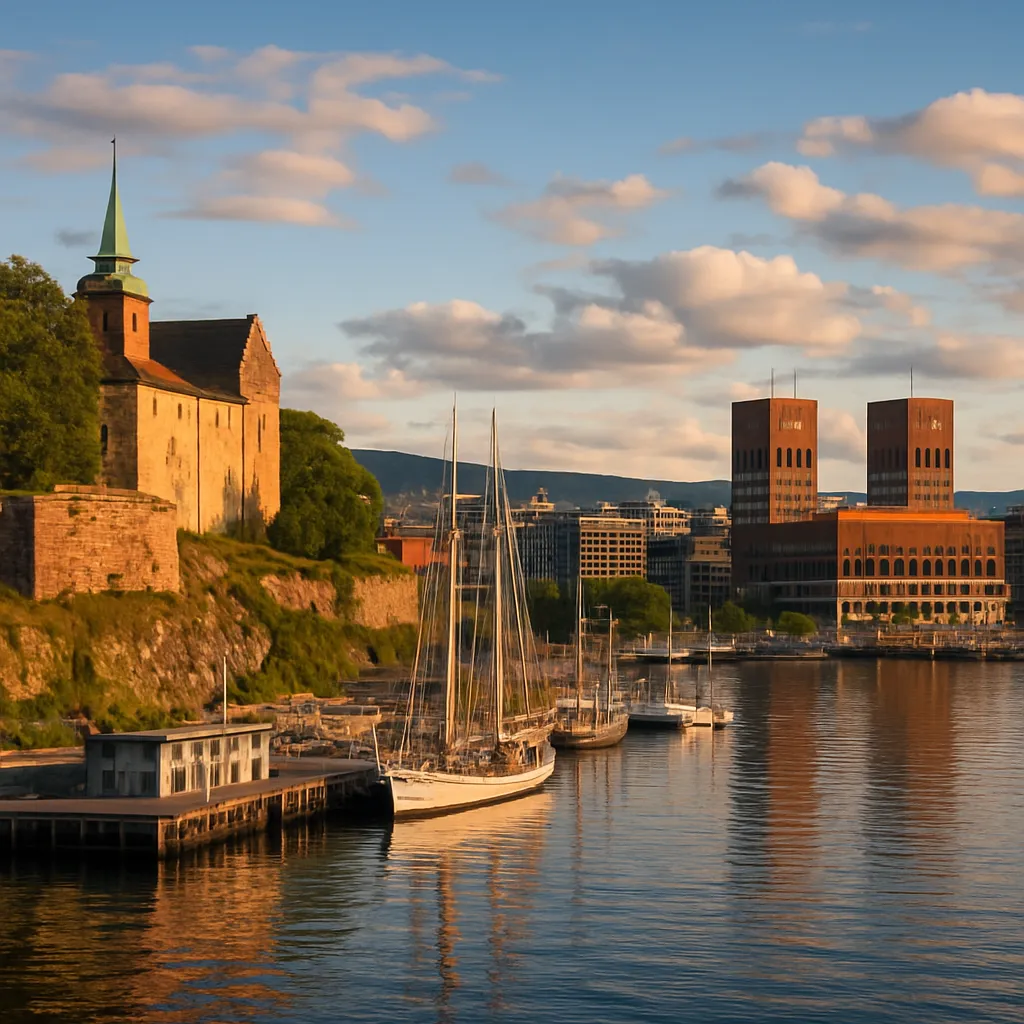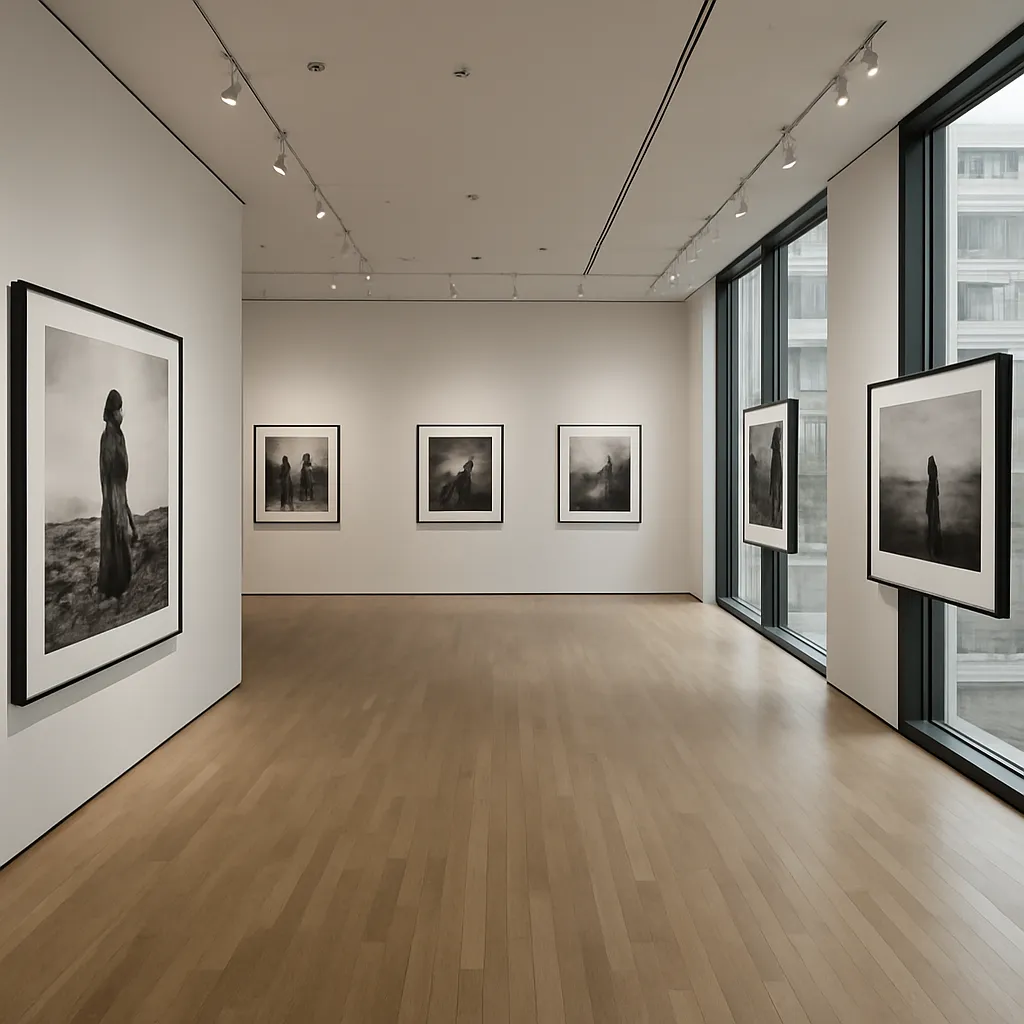





Exploring the heart of Norway’s capital reveals a network of reading havens that blend innovation with tradition. From waterfront glass facades to historic stone structures, Oslo’s library scene offers something for every book lover. This article dives into the most captivating venues, showcases groundbreaking services, and highlights community-driven initiatives that make these institutions true pillars of urban life.
Hidden Gems: Oslo’s Premier Library Destinations
The Norwegian capital is home to a diverse collection of libraries, each with its own signature atmosphere. Whether you seek a vibrant urban setting or a serene academic retreat, Oslo’s standout venues deliver unparalleled experiences.
- Deichman Bjørvika: Situated on the banks of the Oslo Fjord, this flagship library features a dramatic glass facade and panoramic views. Inside, patrons enjoy cutting-edge media studios, expansive reading rooms, and a café with local pastries.
- Deichman Grünerløkka: Housed in a former industrial warehouse, this branch blends historical charm with contemporary architecture. Its open-plan layout encourages collaboration, while curated exhibitions celebrate local art.
- National Library of Norway: Located in the heart of Oslo, this repository preserves the nation’s literary heritage. Rare manuscripts, historical newspapers, and a specialized reading hall make it a must-visit for researchers.
- University of Oslo Library: With multiple campuses, the university’s libraries provide extensive academic resources. Modern study pods, 24/7 access for students, and digital archives support scholarly pursuits in all disciplines.
- Akershus Public Library: A cozy neighborhood library that brings families together. Storytelling hours, multilingual collections, and dedicated children’s corners foster early literacy and cultural diversity.
Services and Facilities That Redefine Modern Libraries
Oslo’s libraries have evolved beyond mere book lenders; they are fully equipped community centers embracing digitalization and sustainable practices. Patrons can tap into advanced offerings designed to enhance learning and creativity.
- Digital Media Labs: High-end editing suites for audio, video, and photography projects. Visitors can borrow equipment and access tutorials covering everything from podcast production to 3D printing.
- Co-Working Zones: Flexible workstations with ergonomic furniture, high-speed Wi-Fi, and private meeting rooms. Ideal for freelancers, startups, and remote workers seeking a dynamic environment.
- Maker Spaces: Workshops equipped with laser cutters, sewing machines, and electronics kits. Library staff host hands-on classes in coding, robotics, and traditional crafts.
- Mobile Libraries: Colorful buses and boats serving suburban and island communities. These traveling branches ensure equitable access to books, digital devices, and information services.
- Language Cafés: Regular meetups where multilingual volunteers guide language learners. From Norwegian practice sessions to international conversation circles, visitors build skills and friendships.
Cultural Hubs and Community Engagement
Beyond lending books, Oslo’s libraries play an active role in nurturing community spirit. They host a range of cultural programs that invite everyone—students, retirees, tourists—to connect, learn, and celebrate.
Signature Events and Workshops
- Author Talks and Literary Festivals: Renowned writers, poets, and scholars from Norway and abroad share insights into their craft. Annual events like Oslo Literature Day draw crowds to cozy auditoriums and open-air venues.
- Children’s Story Hours: Interactive performances with puppetry, music, and hands-on activities. These sessions spark imagination and literacy among the youngest patrons.
- Art Exhibitions and Installations: Collaborations with local galleries bring rotating art displays into library foyers. Visual storytelling meets written word in curated showcases.
- Community Film Screenings: Documentaries and independent films with post-screening discussions. Collaborations with film festivals foster critical thinking and cultural awareness.
- Wellness Workshops: Meditation sessions, mindful reading clubs, and health seminars led by experts. Libraries contribute to holistic well-being through accessible programming.
Architectural Marvels and Sustainable Design
Many of Oslo’s library buildings embody environmental sustainability and innovative design principles. Architects and planners have collaborated to create structures that respect both people and the planet.
- Green Rooftops: Several branches feature vegetation-covered rooftops that regulate temperature, manage rainwater, and provide refuge for pollinators.
- Energy-Efficient Systems: Solar panels, geothermal heating, and efficient insulation reduce carbon footprints. Deichman Bjørvika showcases advanced climate-control technology.
- Reclaimed Materials: Adaptive reuse projects convert old warehouses, schools, and industrial sites into modern reading spaces. Exposed brick walls and repurposed wood beams preserve historical character.
- Natural Light Maximization: Floor-to-ceiling windows and skylights promote well-being and decrease reliance on artificial lighting. Reading nooks flooded with sunlight create inviting atmospheres.
- Accessibility Features: Ramps, elevators, and tactile signage ensure libraries are inclusive. Special collections for visually impaired readers include Braille texts and audiobooks.
Digital Transformation and Future Prospects
Oslo’s libraries are at the forefront of digital evolution, blending traditional services with cutting-edge technology. They continually adapt to meet the demands of a fast-paced, information-driven society.
- Online Catalogs and E-Resources: Seamless access to e-books, journals, and databases via user-friendly platforms. Remote borrowing and instant downloads cater to busy lifestyles.
- Virtual Reality Stations: Immersive experiences in education and entertainment. Patrons can explore historical reconstructions, scientific simulations, and global landmarks.
- Data Literacy Programs: Workshops on data analysis, coding, and cybersecurity. Libraries support lifelong learning through practical tech tutorials.
- AI-Powered Research Assistants: Experimental chatbots help users navigate collections and recommend materials based on reading history and interests.
- Collaborative Networks: Partnerships with international library consortia facilitate interlibrary loans and global knowledge exchange. Researchers can access rare items from distant archives.
Conclusion of Explorations
From its iconic waterfront library to neighborhood branches that serve as cultural cornerstones, Oslo’s library landscape epitomizes the fusion of past and future. By championing resources, fostering cultural engagement, and embracing sustainability, these institutions continue to enrich the lives of residents and visitors alike. Embark on your own literary journey and discover the unique charm that awaits within Oslo’s pages.