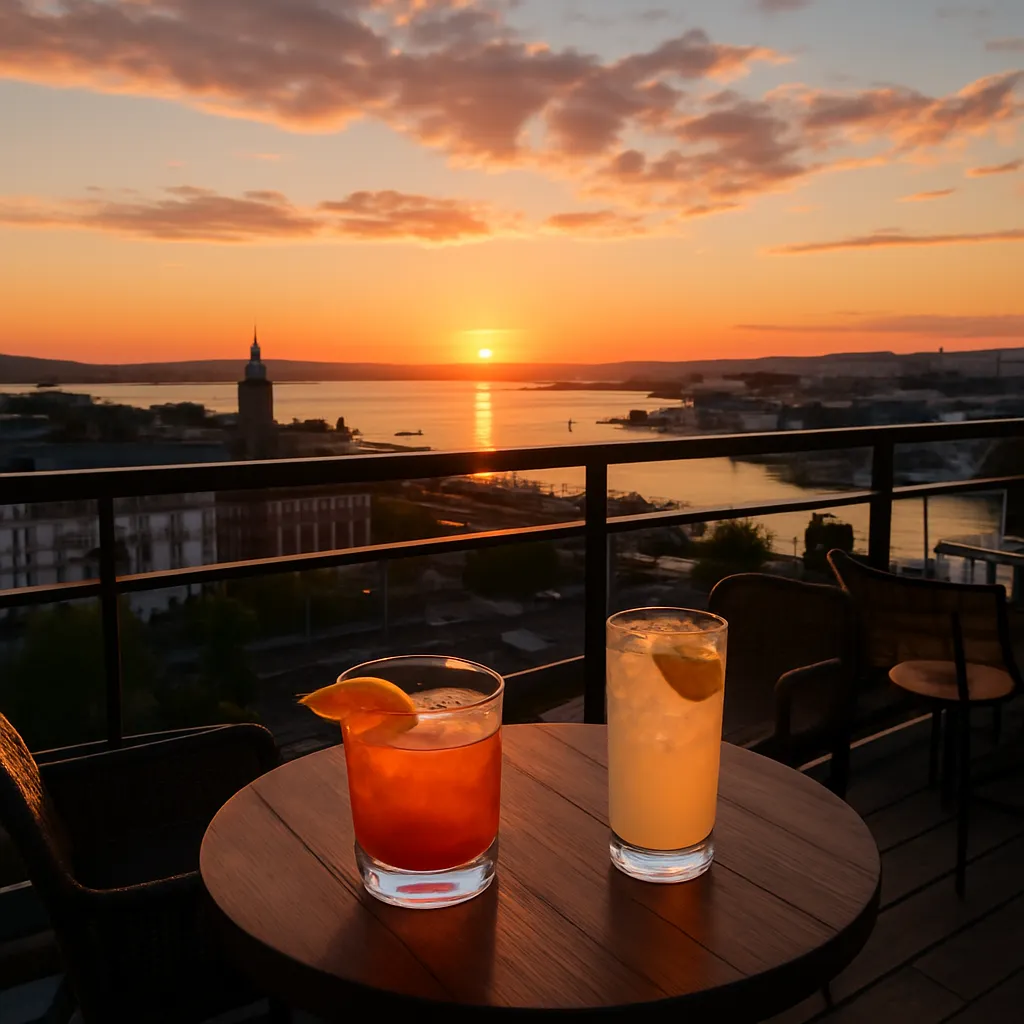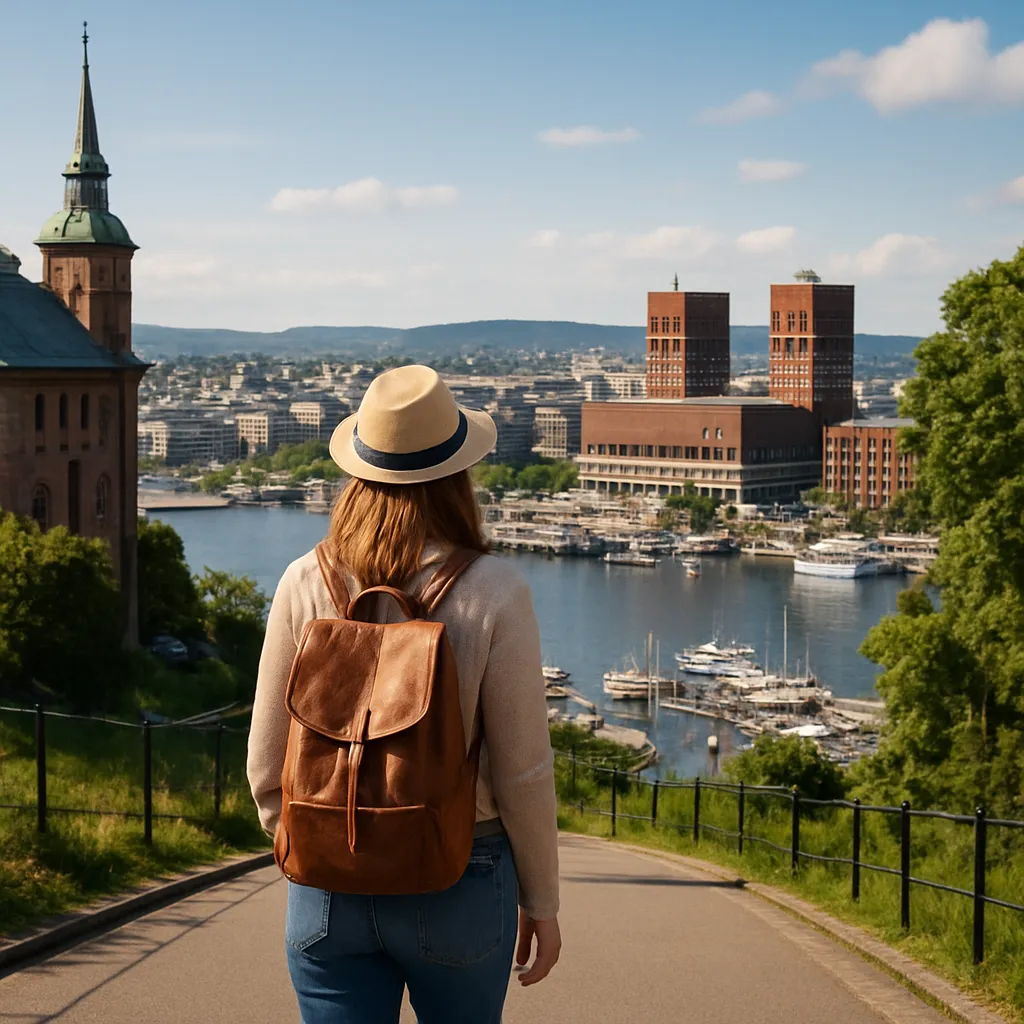



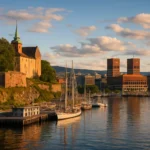
Nestled between fjords and forested hills, Oslo has emerged as a vibrant stage for the world of craft cocktails. Each bar tells a unique story through carefully curated ingredients, innovative techniques, and a dedication to creating an unforgettable experience. From pioneering mixologists to hidden speakeasies, the Norwegian capital’s scene reflects a blend of seasonal foraged fruits, artisanal spirits, and a passion for handcrafted perfection.
Innovative Cocktail Bars Shaping Oslo’s Scene
Walking down Oslo’s cobblestone streets, you’ll encounter a range of venues—from sleek minimalist lounges to cozy basement hideaways. At the forefront stands Himkok, an establishment recognized for its in-house distillery and botanical garden. Here, rooftop foraged herbs transform into flavorful distillates, while bartenders employ ice harvested from fjord waters to craft cocktails that taste as pure as the Arctic air.
Another standout, Torggata Botaniske, doubles as a floral atelier and bar. Expect cocktails infused with house-made tinctures of elderflower, spruce tips, and wild berries. The focus on plant-based flavors is more than aesthetic—it highlights Oslo’s abundant Nordic flora and commitment to sustainable sourcing.
For a mid-century modern twist, Bar Boca serves up Parisian-inspired classics with a Norwegian spin. Signature creations often feature aged aquavit, local honey, and delicate bitters. The intimate setting, candlelit walls and polished marble bar foster an atmosphere where each drink feels personal and carefully considered.
Signature Drinks You Must Try
While exploring Oslo’s top cocktail addresses, be sure to sample these standout libations:
- Arctic Negroni: A bold reinterpretation of the Italian original, combining foraged spruce-tip gin, elderberry vermouth, and a dash of smoked birch bark bitters for a crisp, resinous finish.
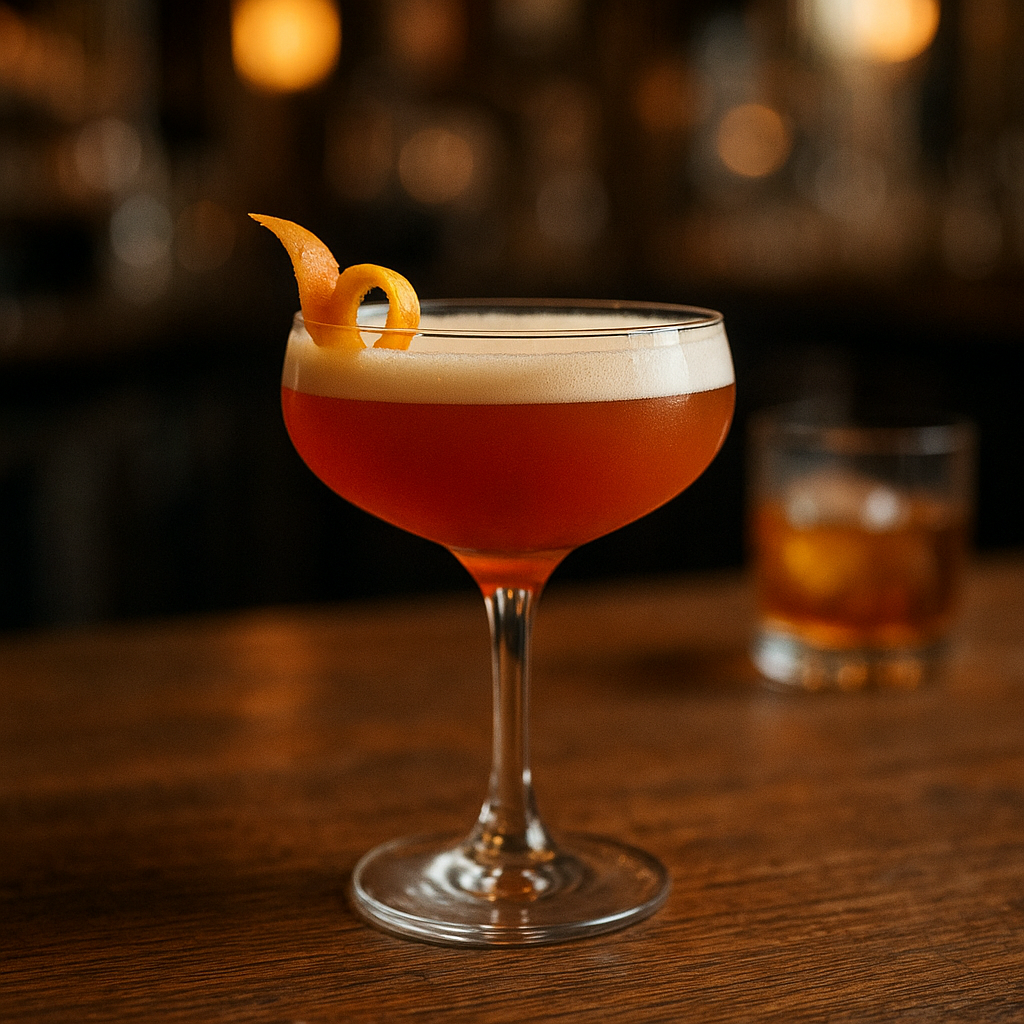
- Oslo Old Fashioned: Caramelized cloudberry syrup meets a barrel-aged aquavit base, balanced with house-made cocoa husk bitters and garnished with a charred orange peel.
- Nordic Mule: A refreshing twist on the classic Moscow Mule, featuring ginger beer brewed locally, premium rye vodka, and a sprig of rosemary from the rooftop garden.
- Cloudberry Martini: Silky and bright, this cocktail blends vodka distilled from Norwegian potatoes with wild cloudberry liqueur and a hint of lavender essence.
- Smoked Spruce Sour: Using fresh spruce tip syrup, lemon juice, and a velvety egg white foam, this drink delivers an aromatic forest breeze in every sip.
Each rendition carries the hallmarks of true mixology—balanced acidity, layered aromas, and visually striking garnishes that engage all the senses.
Local Ingredients and Sustainable Practices
Oslo’s cocktail culture places heavy emphasis on zero-waste practices and locally sourced raw materials. Many bars collaborate with micro-farms and fishermen along the fjord to secure ingredients at peak freshness. Seasonal workshops teach bartenders to dry, ferment, and distill surplus produce, turning potential waste into delicious syrups, bitters, and infusions.
Foraging clubs lead excursions into surrounding woods to gather pine needles, wild berries, and herbs. These treasures find new life in signature drinks, connecting every sip to Norway’s pristine natural landscape. Sustainability initiatives also extend to packaging: recycled glass bottles and home-grown botanical labels reduce environmental impact while reinforcing the city’s green ethos.
The Art of Mixology Workshops and Masterclasses
Enthusiastic patrons can dive deeper than simply ordering at the bar. Several establishments offer hands-on mixology classes: participants learn precise shaking techniques, advanced ice carving, and seasonal garnish creations. At Himkok’s distillery, guests can craft personalized gin blends by selecting from dozens of aromatic botanicals and distilling a small batch to take home.
Torggata Botaniske hosts botanical pairing sessions, teaching the science behind tinctures and infusions. Attendees walk away with homemade bitters, aromatized vinegars, and recipes to recreate acclaimed drinks in their own kitchens. These educational experiences reinforce Oslo’s reputation as a city that celebrates both the artistry and the science behind exceptional cocktails.
Hidden Gems Beyond the City Centre
While the downtown bars receive much acclaim, Oslo’s outskirts harbor several unassuming gems. In the Grünerløkka district, Kuvøs occupies a former warehouse where mixologists experiment with fermented local shrubs and smoked dairy foam. The industrial-chic interior and secret backroom lounge make every visit feel like uncovering a private gathering spot.
Further east, near the Oslofjord, Salt emerges from a floating barge, transforming into a seasonal pop-up in summer months. Patrons can enjoy sunlit decks and panoramic water views with cocktails such as Sea Buckthorn Collins and Peppered Rhubarb Spritz. This mobile concept demonstrates Oslo’s penchant for blending nature, design, and innovation in unexpected ways.
Meanwhile, tucked away in a quiet side street, No. 19 offers an immersive speakeasy vibe—think velvet banquettes, dim lighting, and bespoke beverage menus that change weekly. Here, bartenders engage in friendly banter while unveiling rare spirits from small-batch distilleries, ensuring every return visit unfolds fresh discoveries.
Connecting with Oslo’s Cocktail Community
Whether you’re a seasoned cocktail aficionado or just beginning your journey, Oslo fosters a warm, collaborative scene. Monthly meet-ups gather local bartenders, distillers, and enthusiasts to exchange recipes and explore new techniques. Annual festivals, such as the Nordic Cocktail Week, spotlight ground-breaking talents and encourage cross-border collaborations, propelling Oslo onto the global mixology map.
As the city continues to innovate, its dedication to quality, creativity, and sustainability ensures that each cocktail remains a testament to Norwegian craftsmanship. From handcrafted syrups to foraged garnishes, every element converges to define what it means to experience the very best of Oslo’s cocktail culture.