







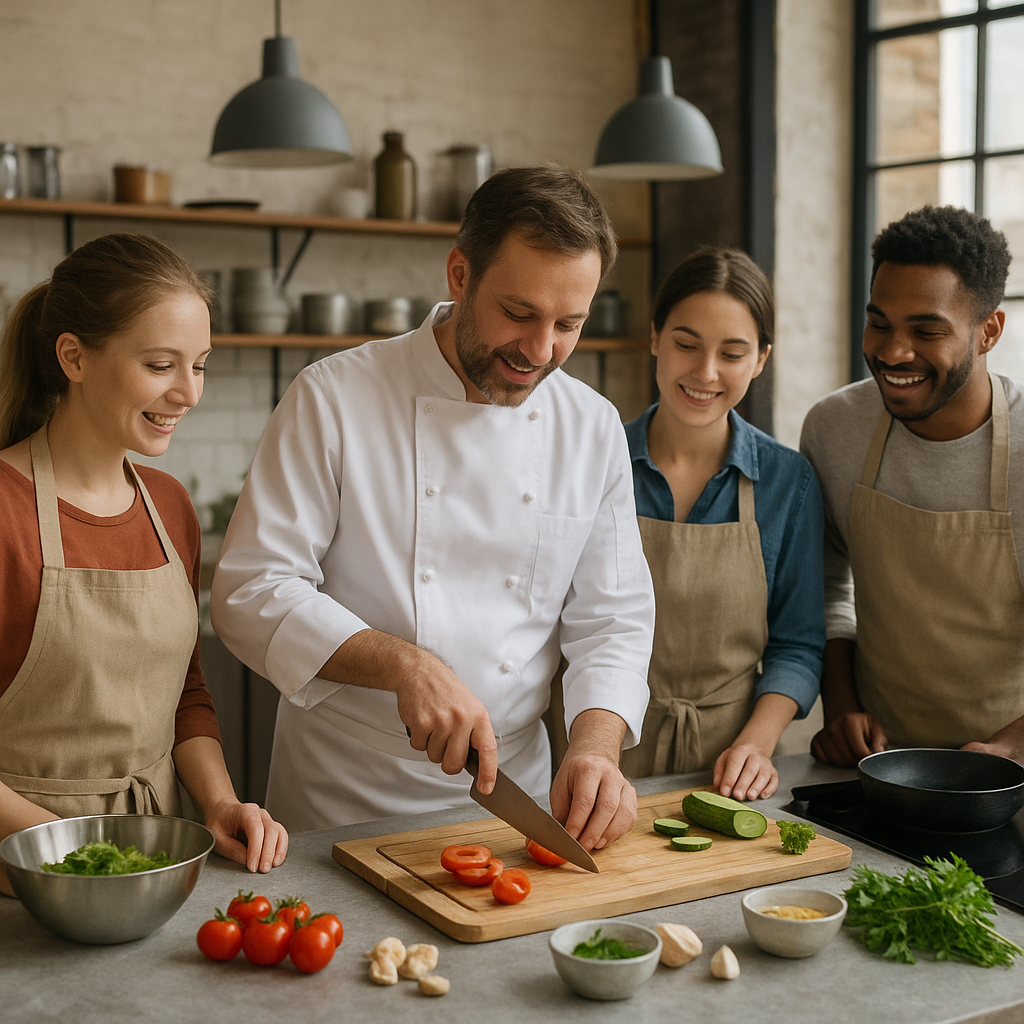
Oslo brims with possibilities for anyone eager to dive into the art of cooking. Whether you want to master the secrets of traditional Nordic dishes or explore international flavors, the city’s dynamic culinary scene offers an array of hands-on workshops led by talented chefs. From market tours to thematic tasting events, you’ll discover how local ingredients and innovative techniques combine to produce unforgettable flavors. This guide highlights some of the best cooking classes in Oslo, tips for selecting the perfect session, and related themes designed to enhance your gastronomic journey.
Exploring Oslo’s Vibrant Culinary Scene
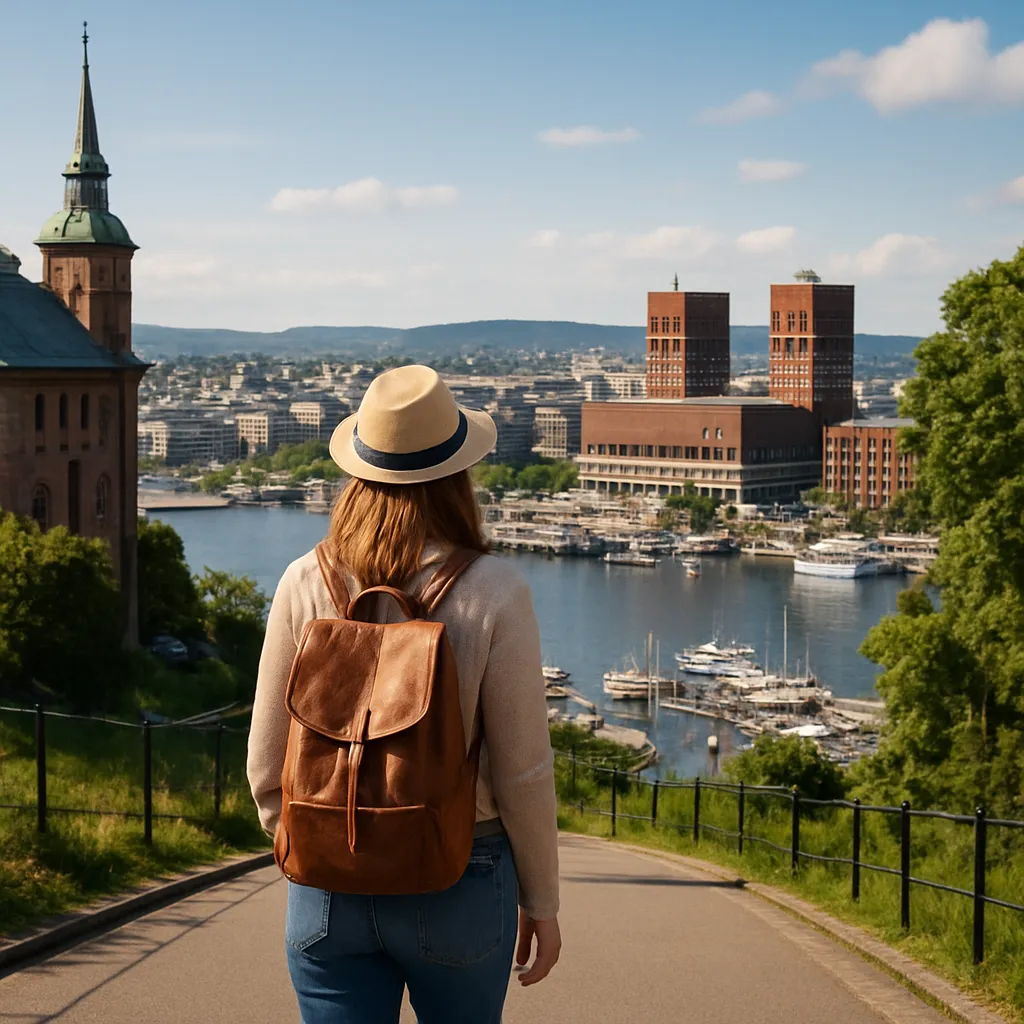
Oslo isn’t just Norway’s political capital; it’s a thriving hub for food lovers seeking fresh perspectives on cuisine. Seasonal produce from nearby farms and coastlines fuels an evolving farm-to-table movement, while artisan bakeries and gourmet street food trucks add urban flair. The city’s diverse neighborhoods—from the historic wharf at Aker Brygge to the trendy Grünerløkka district—host farmers’ markets, specialty shops, and pop-up kitchens. Enthusiasts can stroll through Mathallen Food Hall, sampling house-made cheeses, cured meats, and baked goods, then move on to communal cooking stations where local experts share traditional recipes. In every corner of Oslo, you’re encouraged to taste, ask questions, and engage in informal demonstrations before enrolling in a structured class.
Understanding the local food culture begins with a visit to the Fisketorget (Fish Market) by the harbor, where fishermen unload their morning catch. Here, you’ll find fresh cod, salmon, shellfish, and sea urchin—each item offering a new challenge for aspiring cooks. Classes often start with a guided market tour, ensuring participants develop an appreciation for ingredient selection. Learning to recognize the firm texture of sustainably sourced fish or the vibrant color of organic root vegetables deepens your connection to Norwegian gastronomy.
Top Cooking Classes You Can’t Miss
- The Classic Norwegian Kitchen: This half-day workshop covers iconic dishes such as rakfisk (fermented trout), fennel-glazed lamb, and hearty stews. Participants learn spice balancing, slow-cooking techniques, and the art of pairing simple, earthy sides.
- Nordic Seafood Masterclass: Hosted by a renowned seafood expert, this hands-on session focuses on filleting, curing, and smoking fish. You’ll practice sous-vide salmon preparation, craft butter-poached mussels, and garnish signature plates with edible flowers.
- Urban Vegetarian Feast: Plant-based cooking takes center stage with seasonal vegetables, wild berries, and foraged herbs. Attendees create creative alternatives to classic meat dishes, including mushroom tartare, beetroot risotto, and spiced lentil patties.
- Artisan Bread and Pastry Workshop: Dive into baking fundamentals by kneading artisanal sourdough, shaping pretzels, and mastering laminated dough for croissants. The class emphasizes fermentation times and precise temperature control.
- Global Fusion Flavors: Explore a world tour of tastes, from Japanese-inspired nigiri with Norwegian salmon to Mexican tacos using Nordic berries in salsas. Chefs guide you through balancing heat, sweetness, and acidity in cross-cultural creations.
Each of these courses typically spans three to five hours, with group sizes capped at 12 for personalized attention. Most workshops include printed recipes, a welcome drink, and a communal table to enjoy the dishes you prepare alongside fellow food enthusiasts.
What to Expect from a Cooking Class in Oslo
Even if you’ve never held a chef’s knife professionally, Oslo’s beginner-friendly classes provide clear, step-by-step instruction. Sessions usually begin with a warm welcome and an introduction to the kitchen layout. You’ll find high-end equipment—induction stoves, stainless steel prep stations, and professional utensils—available for every student. Instructors demonstrate techniques at a central demo station before breaking participants into smaller teams to practice individually.
Language can be a concern, but most cooking schools in Oslo offer classes in English, and instructors are adept at explaining culinary terms in simple phrases. Friendly assistants circulate the room, correcting posture, advising on seasoning, and ensuring proper knife safety. If you wish to deepen your skills, ask about private lessons or multi-day intensives that cover advanced pastry work, butchery, or modernist cuisine.
Duration and Pace
Workshops vary from short, two-hour tastings to full-day immersions with lunch breaks and dessert stations. A three-hour class often includes:
- A 30-minute ingredient briefing and market tour
- One hour of step-by-step cooking under guidance
- A 45-minute plating and presentation tutorial
- A shared meal to sample your creations
Expect a relaxed yet organized atmosphere, where laughter and questions are encouraged. Dress code tends toward casual—comfortable footwear and clothes you don’t mind splashing with sauce will suffice.
Tips for Choosing the Right Culinary Workshop
Selecting the ideal cooking class depends on your goals, dietary restrictions, and travel itinerary. Keep these factors in mind:
1. Skill Level and Focus
Determine whether you want a beginner’s overview or a deep dive into advanced methods. Look for labels like “introductory,” “intermediate,” or “professional” on class descriptions. If you’re keen on baking, choose pastry-specific sessions rather than general cooking workshops.
2. Dietary Preferences or Restrictions
Most schools accommodate vegetarian, vegan, and gluten-free diets, but always notify organizers in advance. Specialized plant-based classes can introduce innovative techniques for mimicking classic meat textures.
3. Location and Accessibility
Consider proximity to your hotel or public transport lines. Central venues near Jernbanetorget, Nationaltheatret, or Sentrum stations are convenient if you plan to explore cultural landmarks before or after class.
4. Group Size and Atmosphere
Smaller groups foster intimate learning experiences, while larger classes can be more social. Reading past student reviews reveals whether instructors maintain a friendly, patient environment or lean toward a more demanding, fast-paced approach.
5. Additional Inclusions
Some courses bundle extras like market tours, wine pairings, or take-home gift bags with branded aprons and recipe booklets. These perks enhance value and create lasting memories beyond the kitchen.
Beyond the Kitchen: Complementary Culinary Adventures
To get the most from your time in Oslo, pair cooking classes with related foodie activities. Foraging excursions in the surrounding forests introduce you to edible wild mushrooms and herbs. Join a guided brewery or craft gin distillery tour to learn about fermentation and botanical infusions. For wine aficionados, visit urban tasting bars that showcase Nordic grape varieties and specialty pairings.
Additionally, seasonal festivals like Oslo Food Festival and Nordic Taste bring together producers, chefs, and visitors for three days of demos, tastings, and lectures. Participation often includes hands-on stations set up by restaurants taking part in your class roster, making it easy to continue refining your skills in an immersive environment.
Embarking on a cooking class in Oslo grants you more than just recipes—it offers cultural insights, lifelong friendships, and a fresh appreciation of how sustainable practices shape modern gastronomy. Whether you leave with a new signature dish or simply a deeper respect for local traditions, the city’s culinary offerings promise a rewarding adventure for every palate.