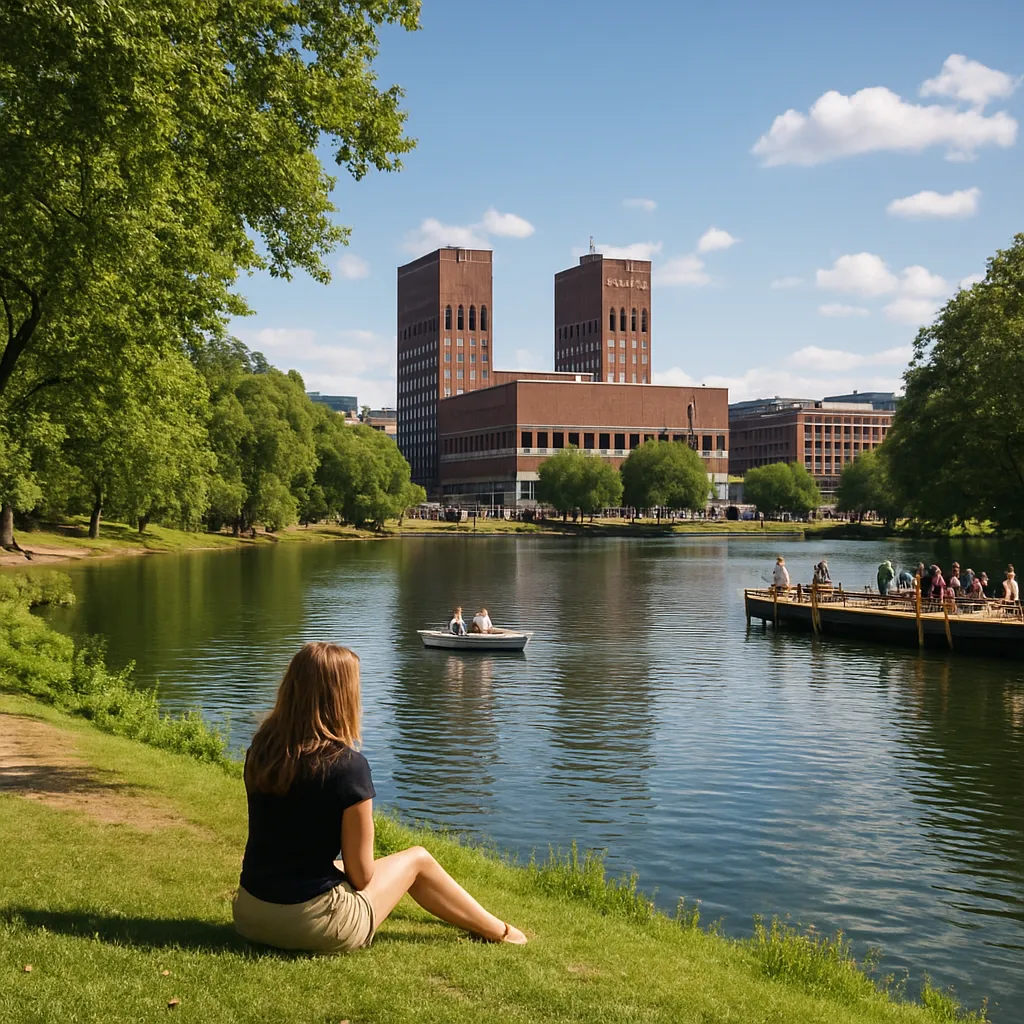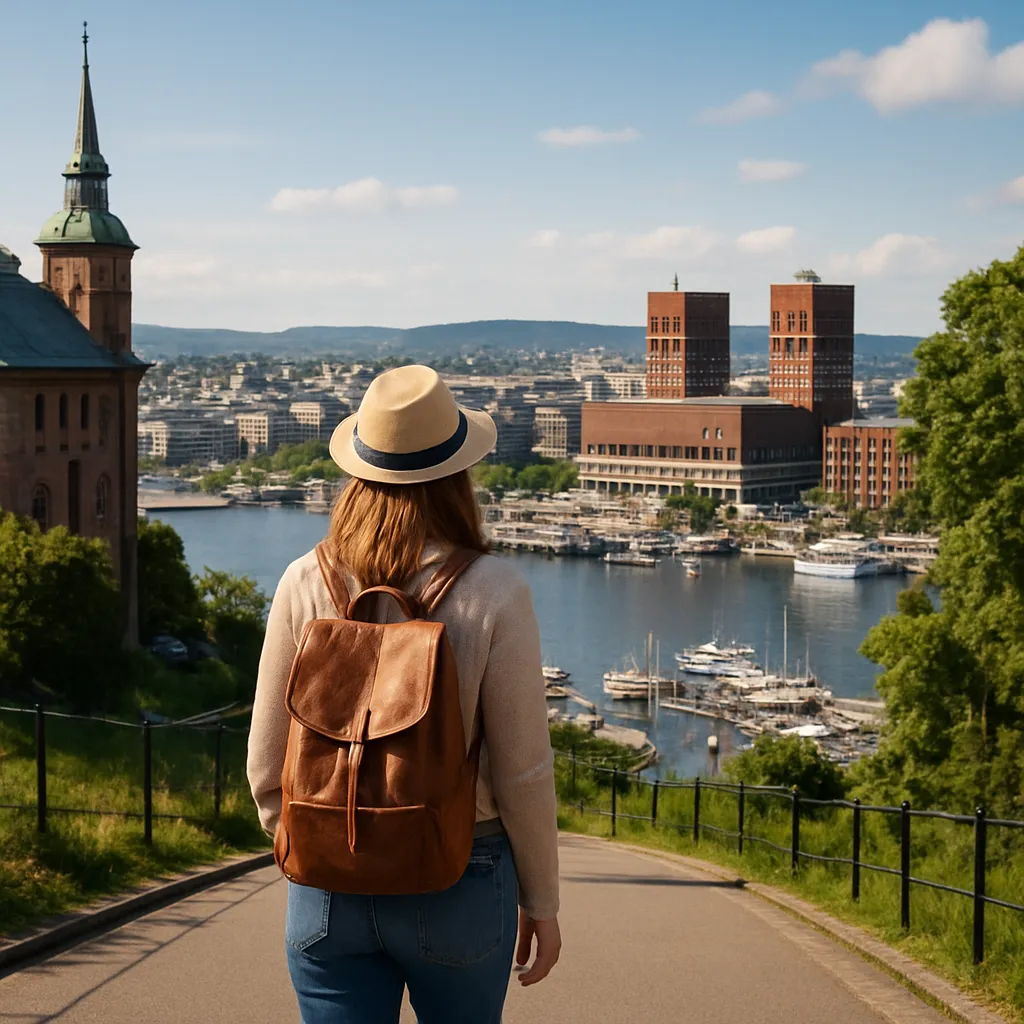






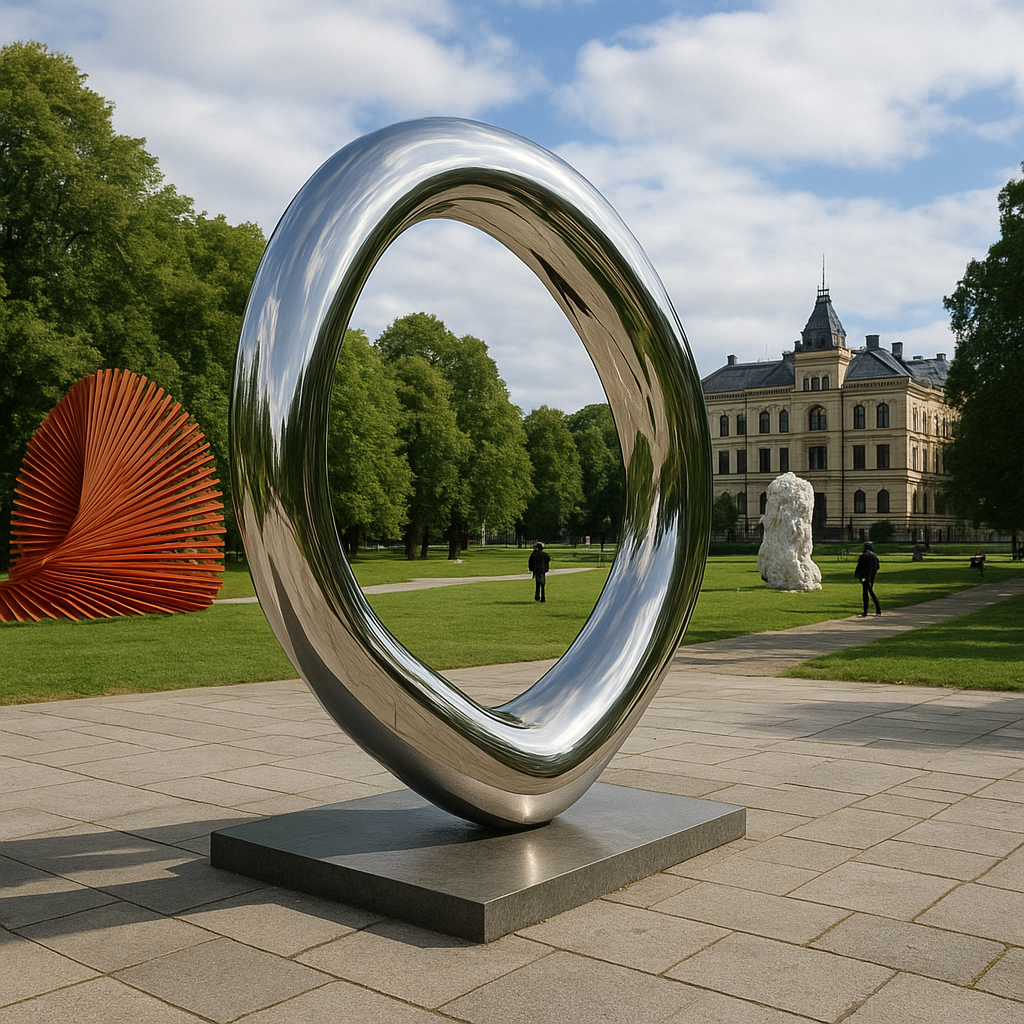
Oslo’s vibrant urban landscape is home to an array of art installations that blend seamlessly with its fjord-side setting and modern cityscape. From expansive outdoor sculptures to hidden gallery pieces, this Nordic capital offers a rich tapestry of visual experiences. Each work reflects Oslo’s dedication to art, design, and public engagement, making the city a must-visit destination for art lovers and curious travelers alike.
Public Art Landmarks Along the Waterfront
Strolling along the Oslo waterfront, one encounters several iconic art pieces that have become symbols of the city’s cultural identity. A standout is the monumental “Swords in Rock” installation in Hafrsfjord Park, commemorating historical battles and Norway’s unification. These three towering, stainless-steel swords thrust from solid rock evoke both power and reflection, representing the nation’s heritage and resilience.
Closer to the city center, the Oslo Opera House’s shimmering white facades double as an interactive public sculpture. Designed by the renowned Snohetta firm, this structure invites visitors to ascend its sloping roof, turning the building itself into a participatory landmark. Panoramic views of the fjord reward those who reach the top, offering a seamless fusion of architecture and urban art.
Continuing eastward, the newly developed Bjørvika district showcases rotating installations along the promenade. One season features luminous glass sculptures that catch the soft Nordic light, while another introduces kinetic pieces that sway gently with the sea breeze. These works underscore Oslo’s commitment to dynamic, ever-changing public art, harnessing technology to create truly immersive experiences.
Contemporary Installations in Museums and Galleries
Beyond outdoor settings, Oslo’s museums and galleries host groundbreaking exhibits that push the boundaries of form and content. The Astrup Fearnley Museum, perched on the Tjuvholmen peninsula, houses a world-class collection of contemporary art. Its sail-like roof complements Frank Gehry’s design for the Fondation Louis Vuitton in Paris, signaling Oslo’s place on the global art stage.
Inside, you might find a massive work by Olafur Eliasson featuring mirror-lined chambers and shifting lights, creating an otherworldly landscape. This installation engages visitors in active perception, challenging them to question the nature of space and light. Nearby, video installations project abstract narratives onto fog screens, introducing an ethereal dimension to the marine environment just beyond the windows.
At the Museum of Contemporary Art (Oslo), rotating exhibitions explore themes from environmental activism to digital culture. One past show used interactive projection mapping to transform entire gallery walls into living ecosystems, allowing attendees to influence the display via touchscreen interfaces. Such innovative presentations highlight the museum’s role as a hub for innovative practices and experimental formats.
The National Museum, set to reopen with expanded spaces, will feature a dedicated wing for installation art. Plans include sound sculptures that respond to ambient noise levels, and mixed-media works combining textiles with light. This expansion underscores Oslo’s ambition to cultivate a robust dialogue between local and international artists, enriching the city’s gallery scene.
Hidden Gems and Neighborhood Explorations
Venture off the beaten path, and you’ll discover small-scale installations tucked into unexpected corners. In Grünerløkka, the bohemian heart of Oslo, alleyways reveal murals and pop-up sculptures. Local artists collaborate with cafés and co-working spaces to mount rotating art projects, fostering a strong community spirit. Some works incorporate recycled materials, commenting on sustainability and social urban dynamics.
Head to the Ekeberg Sculpture Park for a fusion of nature and art. Spread across forested hills with fjord panoramas, this open-air venue features works by Henry Moore, Louise Bourgeois, and Anish Kapoor. Certain pieces appear almost organic—a curved steel form peeks between birch trees, while a reflective orb mirrors its sylvan surroundings. The park’s design encourages discovery: meandering paths lead to secluded clearings where you can encounter a solitary contemporary masterpiece in serene solitude.
In the Akerselva river valley, a post-industrial zone now serves as an outdoor gallery. Former factory walls bear massive street-art murals, some commissioned by local foundations, others emerging from underground collectives. Nighttime projections on abandoned silos animate the space, turning concrete monoliths into canvases for light and color. These installations emphasize Oslo’s ability to repurpose industrial heritage into vibrant cultural corridors.
Seasonal and Temporary Installations
Oslo’s art calendar is replete with temporary showcases that respond to seasonal changes and civic events. During the annual Oslo Light Festival, multiple installations illuminate public squares after dark. One highlight is a tunnel of LED strands that create a glowing canopy, guiding pedestrians through the city center in a dreamlike procession.
In summer, the city hosts “Art Night,” during which museums and galleries open late, presenting performance art, pop-up exhibits, and interactive workshops. One memorable edition featured floating sculptures along the Akershus Fortress moat, each piece tethered and drifting ever so slightly, inviting reflections on change and impermanence.
Winter transforms certain neighborhoods into open-air galleries of ice and snow. Sculptors carve intricate reliefs directly on building façades or stack massive snow blocks into ephemeral structures. These frosty installations provide a unique way to experience art in a climate where nature itself becomes a canvas.
Art and Community Engagement
Several initiatives in Oslo bridge art with social outreach. “Walls for Change” pairs renowned artists with local youth to create large-scale murals in marginalized districts. The collaborative process not only yields striking visual results but also fosters a sense of ownership and empowerment among participants.
Another program, “Art in Transit,” commissions artist-designed installations for tram stops and metro stations. These pieces transform daily commutes into moments of unexpected delight, from mosaic benches depicting historical scenes to interactive sound installations triggered by passing vehicles. By weaving art into public infrastructure, Oslo demonstrates how creative interventions can enliven everyday routines.
- Collaborative public workshops for sculpture projects
- Artist talks and guided tours at outdoor sites
- Community-driven curation of neighborhood exhibitions
Planning Your Oslo Art Adventure
To make the most of Oslo’s art offerings, consider a mixed itinerary combining guided tours with solo explorations. Purchase the Oslo City Pass for free entry to major museums and discounted public transport. For a more personalized experience, local art guides often offer specialized walks focusing on street art or contemporary installations.
Time your visit to coincide with major art events like the Ultima Contemporary Music Festival or the Oslo Architecture Triennale. Even if your focus is visual art, these festivals often include installation pieces that blur the lines between disciplines. Finally, leave room in your schedule for spontaneous discoveries—Oslo’s art scene is constantly evolving, rewarding curious travelers at every turn.