





Oslo’s secondhand scene is a paradise for collectors, style enthusiasts, and eco-conscious shoppers. From bustling riverfront stalls to intimate community halls, these venues offer an eclectic mix of antiques, fashion, and curious knick-knacks. Whether you seek a one-of-a-kind decor piece for your apartment or simply love the thrill of the hunt, this guide will lead you through the most captivating corners of Oslo’s flea market culture.
Exploring the Heart of Oslo’s Flea Market Culture
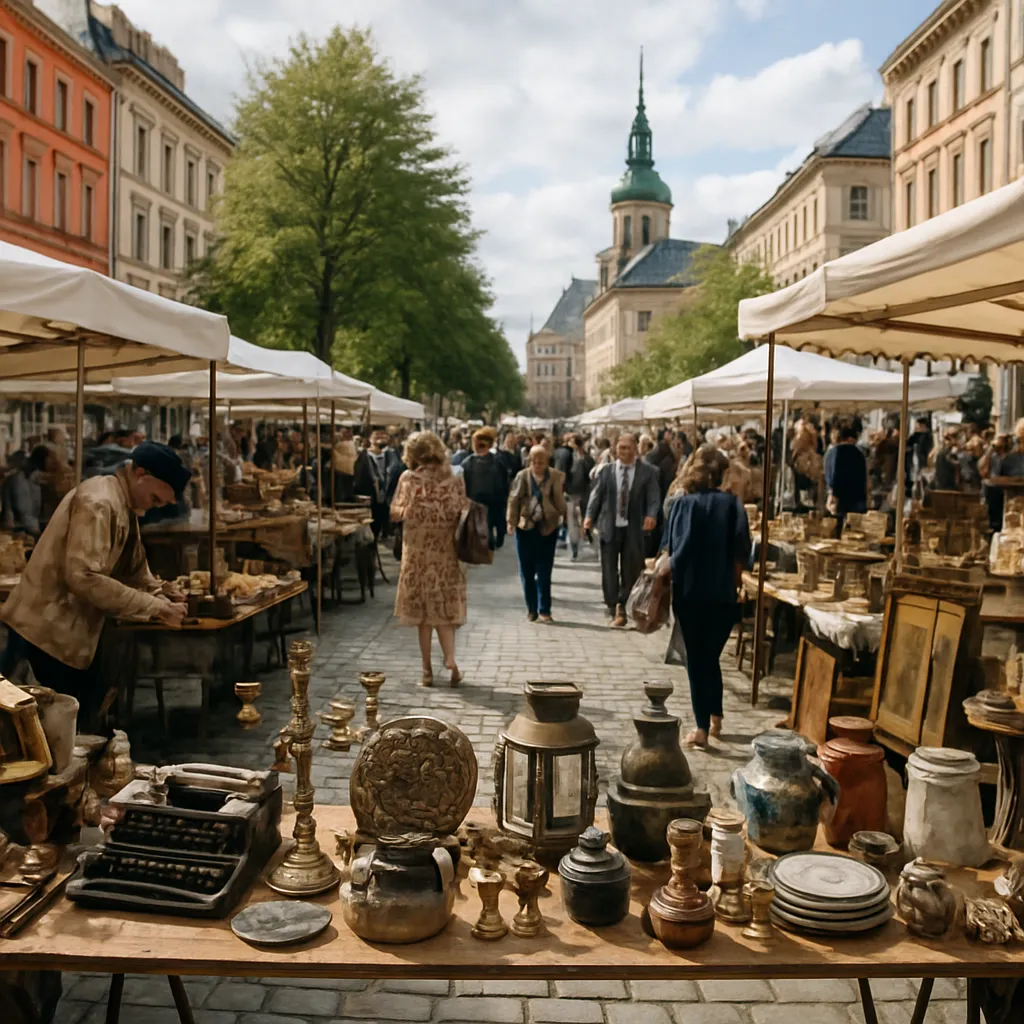
The Norwegian capital prides itself on striking a balance between modern design and historical charm. Many vendors display decades-old furniture alongside retro textiles, creating a striking visual collage. You might stumble upon a mid-century chair priced for a song or discover a set of rare vinyl records tucked away in a weathered trunk. The spirit of sustainable shopping is at the core of these gatherings, encouraging visitors to reduce waste and embrace preloved goods.
Most markets begin early on weekend mornings, when the crisp air and soft sunlight amplify the appeal of handmade jewelry, vintage clothing, and art prints. You’ll find locals swapping stories over coffee as they negotiate prices and share tips about new stalls. This communal vibe makes each visit feel like joining a friendly neighborhood event rather than a typical shopping trip.
Must-Visit Flea Markets
Youngstorget Sunday Bazaar
- Location: Youngstorget square, city center
- Opening Hours: Sundays, 10:00–16:00
- Highlights: Retro electronics, vinyl records, handcrafted ceramics
Set against the backdrop of historical buildings, this market is a favorite among students and designers. Look for the bright red stalls where vintage posters and rare books often appear. A friendly vendor might even offer you a free slice of homemade cake while you haggle over an old camera lens. Keep an eye out for treasure hunts—periodic prize raffles that reward lucky buyers with unexpected finds.
Blå Saturday Flea Market
- Location: Blå club courtyard, Grünerløkka
- Opening Hours: Saturdays, 11:00–17:00 (April–October)
- Highlights: Urban art, handcrafted jewelry, vintage apparel
Run by a collective of artists and musicians, this market pulses with a vibrant energy. Street performers and food trucks set the stage for a hip, urban shopping experience. Browse stalls filled with knitted hats, retro sunglasses, and one-off paintings. You might also catch a pop-up record exhibition showcasing underground labels.
Frognerkirken Community Sale
- Location: Frogner Church hall
- Opening Hours: Monthly, Sundays, 12:00–15:00
- Highlights: Homeware, children’s toys, vintage linens
This indoor market appeals to families and interior design enthusiasts. The spacious church hall offers protection from the elements, making it a cozy venue even on chilly days. Discover hand-sewn quilts, porcelain tea sets, and framed landscape paintings. Chat with local residents who share anecdotes about their cherished items’ origins.
Insider Tips for Successful Bargain Hunting
Timing is everything. Early birds often snatch the best deals, but afternoon visitors can benefit from sellers eager to clear out stock. Always carry small change in local currency; many vendors don’t accept cards. A polite smile and a genuine interest in a vendor’s collection can go a long way toward negotiating a lower price.
Inspect each item carefully. Look for signs of wear or missing parts before committing. Test electronics if possible, and examine antique furniture joints for stability. When you handle delicate glassware or porcelain, request a protective wrapping. Most sellers are happy to oblige.
Extend your search beyond the main alleys. Hidden nooks often house unique finds overlooked by the crowd. Pay attention to unassuming tables at the edges of the venue—these can yield surprising bargains.
Hidden Gems and Seasonal Highlights
Oslo’s flea market calendar features special events throughout the year. In spring, look for the annual garden sale where horticulturists trade potted succulents and vintage gardening tools. Summer brings open-air night markets under festoon lighting, perfect for browsing after work with a cool drink in hand.
During the holiday season, many communities host Christmas markets that blend secondhand treasures with festive crafts. You can pick up nostalgic ornaments, handcrafted candles, and woolen scarves while enjoying live carol performances. These markets often donate proceeds to charitable causes, reinforcing the community-driven ethos of Oslo’s secondhand scene.
For those seeking hidden antique stalls, venture to the outskirts of the city near the Akerselva riverbanks. Here, smaller gatherings take place in repurposed warehouses and artist studios. These intimate events offer personal interactions with collectors who share stories about each piece.
Beyond Shopping: Cultural and Environmental Impact
Flea markets in Oslo serve as cultural crossroads where diverse backgrounds intersect. International students, local artisans, and senior collectors mingle freely, exchanging not only goods but also personal histories. This fusion strengthens social bonds and fosters a sense of shared heritage.
The environmental benefits of buying preloved items cannot be overstated. Every purchase reduces demand for new production, saving energy and limiting waste. By supporting flea markets, you participate in a sustainable cycle that respects the planet and extends the life of valuable objects.
Even if you don’t leave with a physical find, exploring these markets offers a window into Oslo’s evolving identity. You’ll gain insight into the city’s design legacy, discover up-and-coming artists, and witness how tradition adapts to modern tastes.