






Oslo’s storied past comes alive through a network of museums that celebrate the city’s ancient roots, daring expeditions and cultural milestones. From majestic longships to recreated farmsteads, each institution offers a window into Norway’s rich tapestry of heritage and innovation. Whether you’re a history buff or an inquisitive traveler, these venues blend education with awe-inspiring displays, ensuring every visit feels both enlightening and unforgettable.
Viking Ship at Bygdøy: A Voyage into the Past
Perched on the tranquil peninsula of Bygdøy, the Viking Ship Museum is a pilgrimage site for anyone fascinated by the Vikings. Its star attractions are three extraordinary vessels unearthed from royal burial mounds around the year 1000 AD. Each ship embodies centuries of maritime mastery and offers a tangible link to Norse sailors who once roamed the North Atlantic.
- Oseberg Ship: a beautifully preserved clinker-built vessel once used in a queen’s funeral procession
- Gokstad Ship: renowned for its robust design and seaworthy performance
- Tune Ship: fragments that reveal intricate woodworking and decorative details
Highlights
The museum’s collection extends beyond hulls. You’ll encounter wooden carvings, ornate harness fittings, and jewellery—all artifacts that shed light on daily life, fashion and belief systems of the Viking era. Interactive multimedia presentations allow you to explore the ships’ construction processes and their epic voyages across treacherous seas.
Why It Matters
By preserving these vessels, the institution champions preservation of maritime heritage. Innovations pioneered by the Vikings—such as clinker planking and symmetrical hulls—continue to influence boatbuilding today. A visit here is not just a stroll through history; it’s an immersive journey into the engineering feats of a civilization that shaped the medieval world.
Norwegian Museum of Cultural History: Open-Air Time Capsule
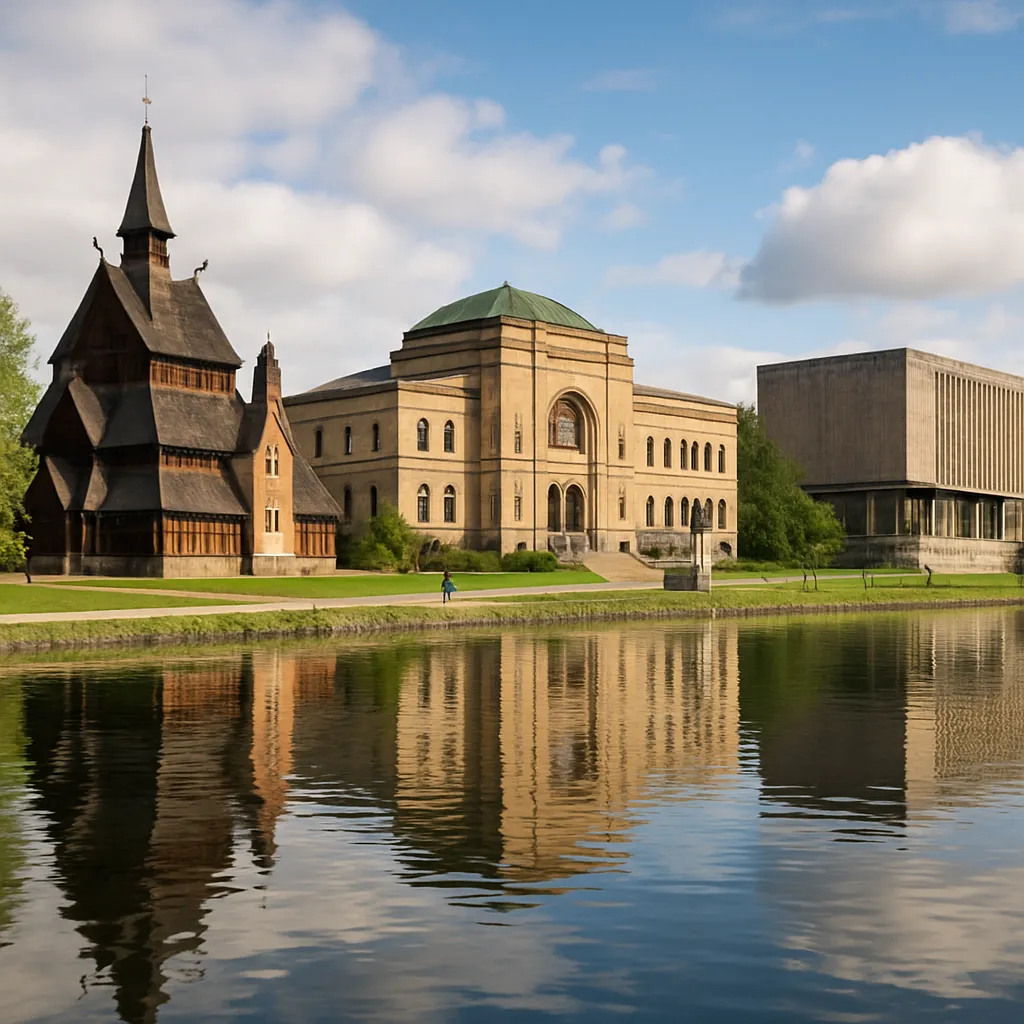
Just a short walk from the Viking Ship Museum lies another gem: the Norwegian Museum of Cultural History. This expansive open-air complex showcases over 150 buildings transported from across Norway, forming a living tapestry of rural life from the Middle Ages to modern times.
- Stave Church from Gol: an architectural masterpiece of interlocking wooden beams
- Farmhouses, workshops and schoolhouses: meticulously restored to their original condition
- Folk dances and craft demonstrations: bringing age-old traditions to life
Exhibitions and Activities
Inside the indoor galleries you’ll find rotating exhibitions focused on folk costumes, Sami culture and wartime Norway. Seasonal events—like Christmas markets and harvest festivals—turn the grounds into a vibrant social hub. Guided tours unveil fascinating details about regional customs, tools and building methods passed down through generations.
A Sensory Experience
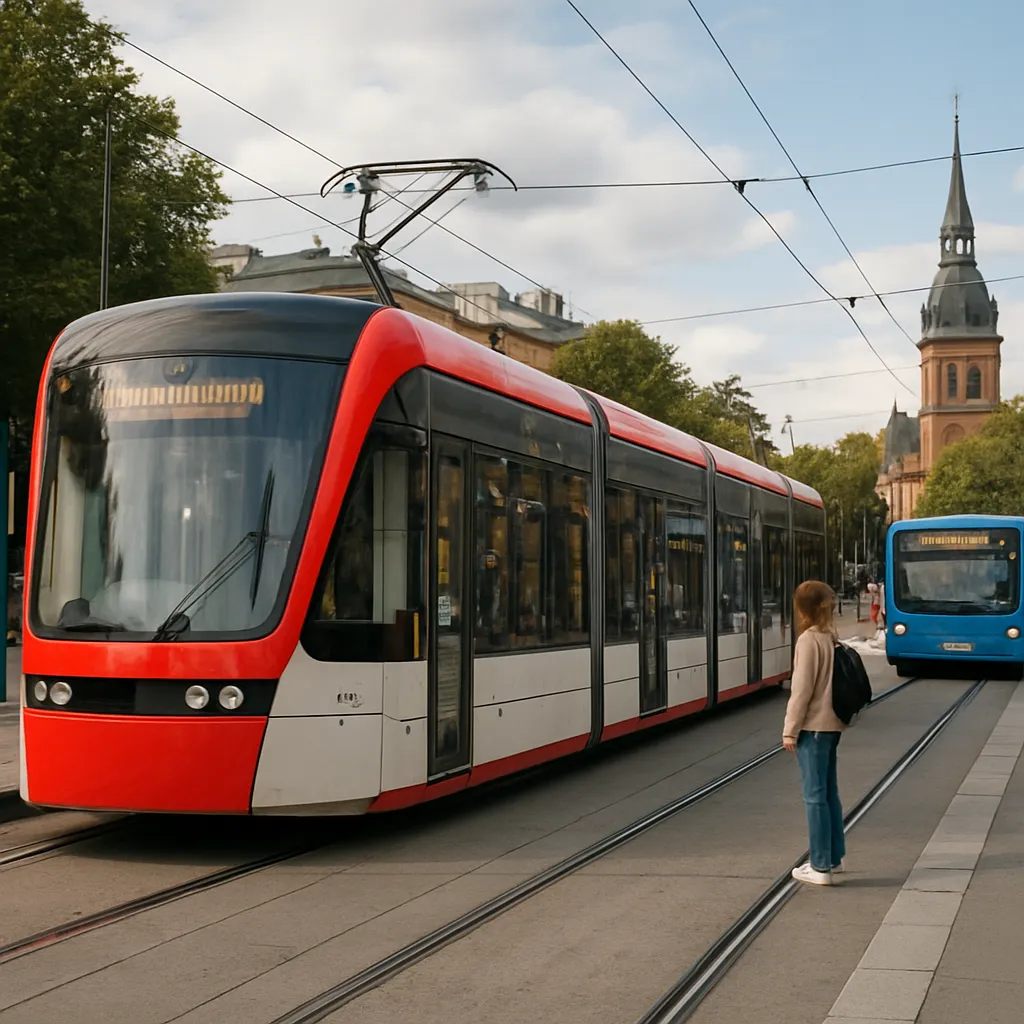
Stepping from a modern tram into a wooden medieval church or a turf-roofed cottage feels like crossing a time portal. The scent of open fires, the touch of handcrafted textiles and the sound of traditional music create a multi-sensory narrative of Norway’s evolving society. For families, there’s a dedicated children’s area with costume dress-ups and hands-on farm chores.
Oslo Historical Museum: Archaeology and National Treasures
Located near the Royal Palace, the Historical Museum is part of the Museum of Cultural History at the University of Oslo. Its galleries hold a vast array of archaeological finds and national icons that chronicle Norway’s journey from prehistory to the modern era.
- Bronze and Iron Age Tools: forging techniques and ornamental styles
- Medieval Rune Stones: messages etched in ancient scripts
- Union Regalia and Diplomatic Gifts: symbols of Norway’s royal heritage
Key Exhibits
Among the standout displays is the Tune Axe, one of Europe’s oldest inscribed iron tools. Visitors can also explore a treasure trove of Viking silver hoards, each piece telling a story of trade, conquest and cultural exchange. The museum’s coin collection maps the evolution of monetary systems, from barter tokens to royal coinage emblazoned with regal portraits.
Research and Outreach
Beyond public galleries, the Historical Museum is a hub for academic research. Archaeologists and conservators collaborate on excavations across Scandinavia, unearthing new insights into settlement patterns and religious rituals. Through digital archives and community lectures, the museum fosters public engagement with ongoing discoveries, ensuring Norway’s past remains a dynamic field of study.
Fram Museum: Polar Exploration Legacy
For adventurers at heart, the Fram Museum offers a chilling yet exhilarating glimpse into polar expeditions that pushed human endurance to its limits. Dedicated to the strongest wooden ship ever built, Fram carried explorers like Fridtjof Nansen and Roald Amundsen on missions to the Arctic and Antarctic.
- The Fram Vessel: marvel at its rounded hull designed to resist ice pressure
- Original Display of Sledges, Equipment and Clothing: methods for survival in subzero conditions
- Film Screenings and Simulations: replicate the challenges of drifting through polar ice
Interactive Features
Step aboard the Fram replica deck, don polar gear and peer through brass portholes at projected ice floes. An interactive display lets you compare historical weather data with modern satellite readings. Children can test their strength against an icebreaker’s hydraulic pressure or pilot a virtual sled across snowy plains.
Legacy of Exploration
The museum underscores how these expeditions advanced global scientific knowledge—from mapping magnetic fields to cataloguing new species. Their feats of courage and ingenuity continue to inspire contemporary researchers tackling climate change in polar regions. Fram stands as a testament to Norway’s enduring spirit of exploration and discovery.