








Oslo’s craft markets offer a vibrant blend of traditional Nordic handicrafts and modern design innovations, making them a must-see for anyone eager to explore the city’s creative pulse. From bustling street bazaars to curated indoor fairs, these markets showcase the passion and dedication of local artisans. Whether you’re hunting for a one-of-a-kind souvenir or simply soaking up the atmosphere, Oslo’s craft scene promises an unforgettable experience.
Discovering Oslo’s Craft Market Culture
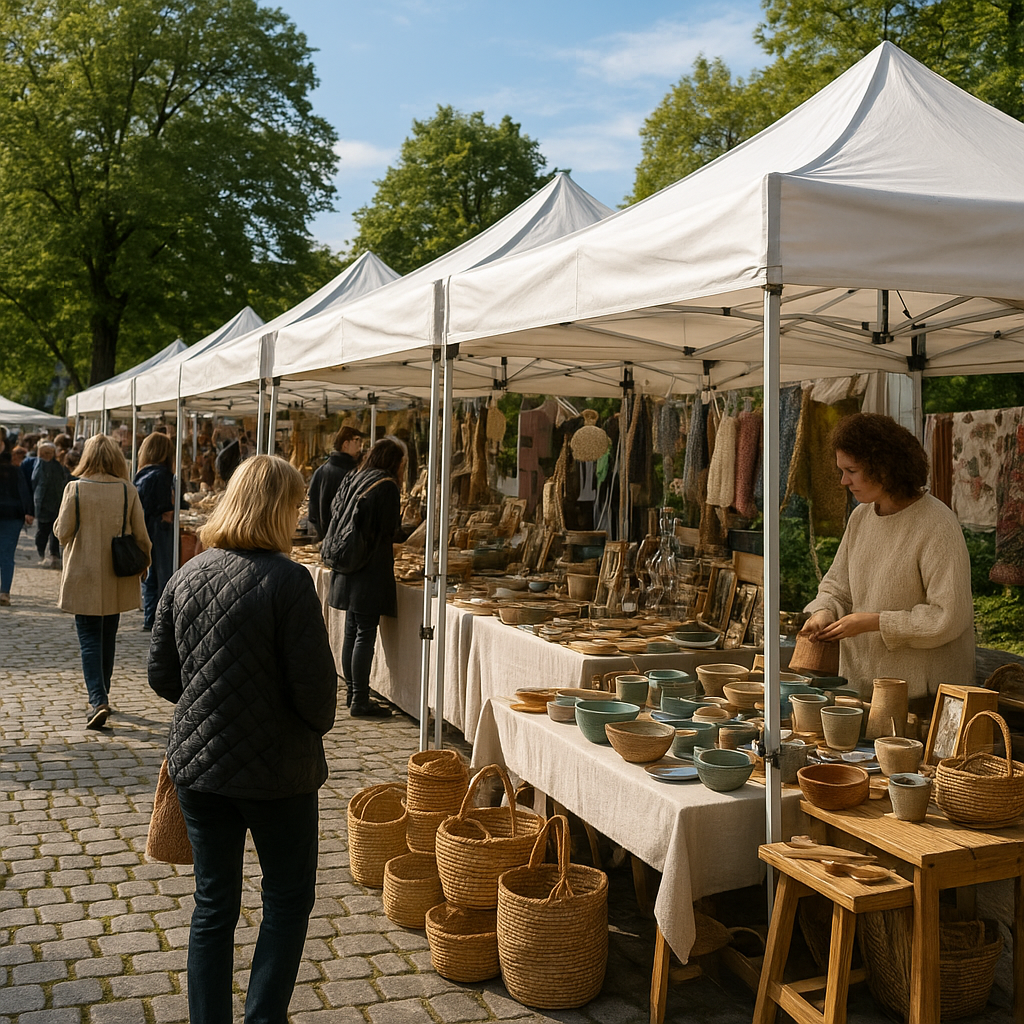
At the heart of Oslo’s artisan community lies a strong emphasis on sustainability and ethically sourced materials. Many vendors are self-taught crafters who champion handmade goods, preferring natural fibers and recycled elements over mass-produced alternatives. As you wander through stalls, you’ll notice an inspiring range of products—from intricate wood carvings and felted wool accessories to innovative leatherwork and graphic prints.
These markets are more than just shopping destinations; they serve as gathering places for like-minded individuals who value creativity and the preservation of local tradition. Visitors often share stories with artisans, learning about centuries-old techniques that have been passed down through generations. The exchanges foster a real sense of community, leaving you with a deeper appreciation for Oslo’s craft heritage.
Top Craft Markets to Visit in Oslo
Birkelunden Sunday Market
Situated in the popular Grünerløkka district, the Birkelunden Sunday Market draws crowds with its eclectic mix of vintage finds, handmade jewelry, and artisanal homeware. Held every Sunday from April to October, you can expect to discover:
- Hand-knit scarves and hats crafted by local knitters
- Delicate ceramic pieces painted with minimalist Nordic designs
- Unique leather goods, ranging from wallets to belts
- Organic soaps and candles infused with Scandinavian forest scents
The market’s open-air layout under the leafy canopy of Birkelunden park adds a relaxed, communal vibe. Street musicians and food trucks offering local delicacies enhance the overall ambiance.
Vulkan Street Food & Craft Market
Located by the Akerselva River, Vulkan Market seamlessly combines culinary delights with craft showcases. Every Saturday, visitors can sample innovative dishes—from gourmet vegetarian street food to European fusion—while browsing stalls featuring:
- Modern design prints and posters
- Hand-poured soy candles adorned with foraged botanicals
- Upcycled textile creations made from vintage fabrics
- Artisanal jewelry incorporating reclaimed metals
The market’s industrial-chic setting inside the Vulkan hub reflects Oslo’s contemporary design ethos. Live demonstrations by woodworkers and printmakers provide an engaging behind-the-scenes look at their craft processes.
Vestkanttorget Handmade Fair
Held quarterly in the charming Holmenkollen area, Vestkanttorget celebrates premium craftsmanship. With entry fees supporting local art initiatives, this fair features a curated selection of around 60 vendors offering:
- Felted wool slippers and decorative items
- Exquisite glassware created by emerging glassblowers
- Stylish textiles and hand-embroidered linens
- Culture-inspired paintings and prints from contemporary artists
The fair’s indoor location ensures a cozy atmosphere, and the organizers often include talks on topics like eco-friendly production and indigenous crafting traditions.
DogA Oslo Craft Fair
As part of Norway’s design center, DogA hosts an annual fair showcasing top-tier crafts and design pieces. It’s the perfect place to find heirloom-quality items, such as:
- Hand-forged kitchen tools by blacksmith artisans
- Wool blankets dyed using natural pigments
- Minimalist wooden furniture prototypes
- Artisans demonstrating techniques like block printing and leather stamping
This event often includes workshops and panel discussions, offering insights into the intersection of tradition and innovation in modern design.
Supporting Local Artisans and Sustainable Shopping
Why Choose Handmade Goods?
Investing in handmade products not only ensures higher quality but also contributes to preserving fragile artisan livelihoods. By purchasing directly from makers, you reduce the environmental footprint of your acquisitions and champion sustainability within the community.
Shopping Tips
- Bring reusable bags to minimize plastic waste.
- Ask artisans about the sourcing of their materials; transparency is often a point of pride.
- Inquire about customization options—many vendors welcome tailor-made requests.
- Budget extra time to chat with makers and learn the story behind each piece.
Supporting Through Sharing
Follow market organizers and your favorite vendors on social media. Liking and reposting their content helps raise awareness and drives tourism to these local hubs. Consider leaving positive reviews on platforms like Google Maps or Yelp to guide future visitors toward genuine, unique crafting experiences.
Planning Your Visit and Practical Information
Oslo’s temperate climate means craft markets generally operate from late spring through early fall. Here are a few points to keep in mind:
- Opening Hours: Most outdoor markets start around 10:00 AM and close by 5:00 PM.
- Transportation: Trams and buses in Oslo are efficient and frequent—look for stops near Grünerløkka, Vulkan, and Holmenkollen.
- Payments: While many vendors accept cards, it’s wise to carry some cash (NOK) for smaller purchases.
- Accommodation: Staying in central districts like Sentrum or Frogner places you within easy reach of multiple markets via a short tram ride.
Whether you’re a design aficionado or simply seeking a memorable souvenir, Oslo’s craft markets deliver a rich tapestry of tradition and contemporary flair. Dive into this dynamic scene and discover the handcrafted treasures that define the Norwegian capital’s creative spirit.