







Oslo beckons travelers with its seamless blend of contemporary vitality and time-honored traditions. From the ancient ramparts that once guarded the city to the majestic wooden relics of a seafaring people, Norway’s capital offers an unparalleled journey through centuries of triumph, turmoil, and transformation. This exploration of the Best Historical Sites in Oslo reveals the stories etched into stone, steel, and timber—testaments to a rich tapestry of culture and conquest. Each destination resonates with echoes of bygone eras that shaped the nation’s identity, offering visitors the chance to step back in time while experiencing a modern urban landscape pulsing with creative energy.
The Majesty of Akershus Fortress
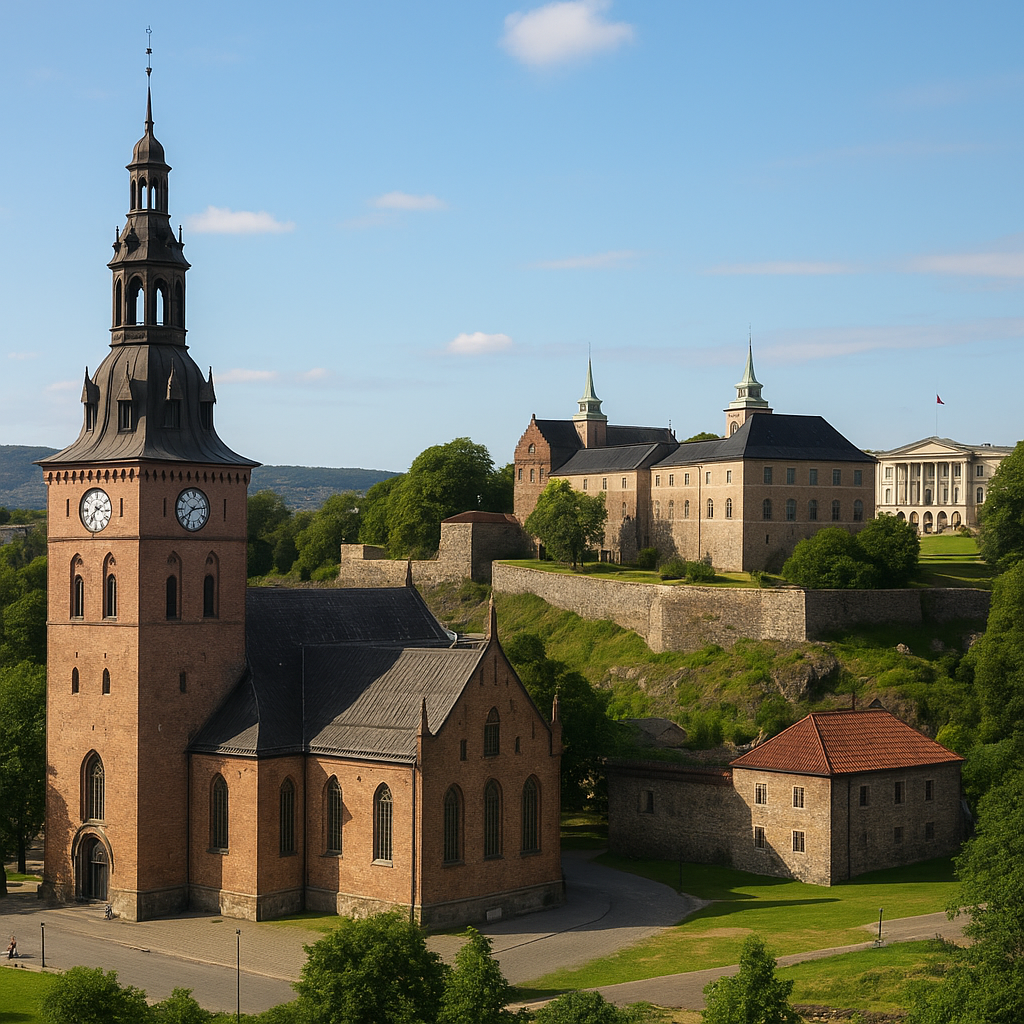
Perched on a rocky promontory overlooking the Oslofjord, Akershus Fortress stands as a testament to Norway’s enduring spirit. Its imposing walls, rising from the water’s edge, have witnessed royal ceremonies, sieges, and centuries of shifting alliances. Originally constructed in the late 13th century, this stronghold has protected the city from invaders and housed monarchs, prisoners, and state functions. A stroll along its battlements reveals panoramic vistas of harbor life, modern skyscrapers, and serene fjord waters.
Historical Significance
Throughout its existence, Akershus played a pivotal role in national defense and governance. It was fortified under King Haakon V, who sought greater protection against foreign incursions. Later enhancements under Danish and Swedish rule added bastions, moats, and artillery positions, reflecting the evolving art of war. The fortress also served as a royal residence and a prison, with cellblocks that once confined pirates, political dissidents, and even allied officers during World War II.
Architectural Highlights
- Massive Curtain Walls: These formidable barriers provided formidable defense and created a multi-layered complex.
- Inner Castle (Slottet): A refined residence blending Gothic and Renaissance details, showcasing ornate windows and vaulted ceilings.
- Chapel of St. Mary: A serene sanctuary featuring medieval frescoes and tombs of Norwegian royalty.
- Casemates: Subterranean galleries that once housed soldiers and cannons, now open for guided exploration.
The Viking Ship Museum: A Voyage Through Time
Nestled on the peninsula of Bygdøy, the Viking Ship Museum transports visitors into the heart of the Viking Age. Here, three remarkably preserved longships lie in hushed display, their graceful hulls telling tales of seafaring prowess, exploration, and ceremonial funerals. These vessels—once carriers of warriors and traders—offer a rare glimpse into the maritime mastery that propelled Norwegians across the North Atlantic and into the annals of world history.
Exhibits and Relics
Each longship was recovered from royal burial mounds, accompanied by a wealth of artifacts that include sledges, beds, tools, and textiles. Scholars believe these treasures reflect the social hierarchy and spiritual beliefs of the time. The Oseberg ship, richly ornamented with animal motifs, may have conveyed two noble women to their final resting place. The Gokstad vessel, built for seafaring challenges, boasts robust construction suited for Atlantic voyages. Nearby, the Tune ship, though fragmentary, still speaks to the craftsmanship that defined an era.
Visitor Experience
- Interactive Displays: Digital reconstructions allow you to visualize the ships in full sail and witness how they navigated turbulent waters.
- Guided Tours: Expert historians explain symbolism carved into the prows, from serpents to stylized beasts, and the role of ship burial rituals.
- Workshops: Participate in hands-on demonstrations of traditional boat-building techniques, from plank bending to timber joinery.
The Royal Palace and Surrounding Park
At the heart of Oslo stands the stately Royal Palace, an emblem of Norway’s monarchy and a symbol of national unity. Completed in the mid-19th century for King Carl Johan, its neoclassical facade and grand interiors reflect a period of romantic nationalism. The palace remains the official residence of Norway’s monarch and hosts state banquets, diplomatic receptions, and the colorful Changing of the Guard ceremony.
Regal Past and Present
Visitors can explore select palace rooms—such as the gilded Grand Hall and the King’s Study—during guided summer tours. Elaborate chandeliers, frescoed ceilings, and period furniture evoke the lifestyle of royal inhabitants. Portraits of kings and queens line the walls, narrating the lineage of a dynasty that withstood wars, political reforms, and global conflicts.
Park and Daily Parade
The palace is nestled within a lush park teeming with decades-old trees, manicured lawns, and meandering pathways. Locals and tourists mingle here, enjoying the serene environment and spotting the occasional deer. Each day at 1:30 PM, the Changing of the Guard unfolds in front of the palace gates—a disciplined pageant where faultlessly uniformed soldiers march to martial tunes, reinforcing tradition and ceremony in the city’s beating heart.
The Whispers of History at the Medieval St. Hallvard’s Cathedral Ruins
Hidden behind modern structures near the Oslo Central Station lie the evocative remains of St. Hallvard’s Cathedral, once the city’s spiritual epicenter. Built in the 12th century, this medieval church honored St. Hallvard, Oslo’s patron saint, famed for his martyrdom defending a wrongfully accused woman. Today, moss-covered stones and arches offer a haunting ambiance, bridging the gap between ancient worship and contemporary bustle.
Remnants and Restoration
The cathedral’s chancel arch, sacristy walls, and foundation stones have been carefully preserved. Archaeological excavations unearthed fragments of frescoes, tombstones, and medieval glass, hinting at the church’s former grandeur. The adjacent St. Hallvard’s Park incorporates these ruins into its design, affording visitors a tranquil spot to reflect on the passage of time.
Stories in Stone
- Pilgrim Inscriptions: Carvings left by medieval visitors reveal Oslo’s place on ancient pilgrimage routes.
- Saint’s Relics: While the saint’s remains were relocated, the legend persists in local folklore and art.
- Community Efforts: Preservation initiatives involve volunteers and scholars, underscoring the city’s commitment to its heritage.
Beyond the Landmarks: Hidden Gems of Oslo’s Past
Oslo’s historical tapestry extends beyond grand edifices to smaller, intimate spaces steeped in stories.
The Old Aker Church
Dating from around 1100, the Old Aker Church stands as Oslo’s oldest surviving building. Its sturdy stone walls and medieval murals remind visitors of early Christian traditions. Every Sunday, parishioners gather for services beneath ancient arches, connecting to a lineage of faith that spans nearly a millennium.
The Norwegian Museum of Cultural History
An open-air museum on Bygdøy showcases over 150 historic buildings relocated from across Norway. From timber farmhouses to Sami lavvos, these structures reveal regional diversity and rural life through the ages. Costumed interpreters demonstrate traditional crafts, weaving together local customs and daily routines of bygone communities.
Munch’s Childhood District
Explore Gamle Oslo, the old town area where Edvard Munch spent his formative years. Narrow alleys and modest wooden homes contrast with the grand National Gallery that houses “The Scream.” Guided walks share anecdotes about early 20th-century urban life and the local influences that shaped Munch’s visionary art.
Preserving the Past, Inspiring the Future
Oslo’s commitment to conserving its architectural and cultural milestones is evident in meticulous restoration projects and community-driven initiatives. From adaptive reuse of castle chambers to digital archiving of museum collections, the city embraces innovation while honoring its storied past. These endeavors ensure that the architecture and monuments endure for generations, inspiring architects, historians, and visitors alike.
By weaving together medieval sanctuaries, royal residences, and maritime marvels, Oslo creates a multifaceted historical experience. Each site offers a unique lens on Norway’s evolution—from Viking voyages and fortified strongholds to monarchical grandeur and cultural preservation. As you walk the cobbled pathways and gaze upon timeworn stones, the essence of Oslo’s legacy unfolds, inviting you to become part of its ongoing narrative.