







Oslo’s culinary landscape has witnessed a remarkable transformation in recent years, marked by the city’s embrace of global comfort foods. Among these, ramen stands out as a thrilling fusion of art and sustenance. As a vibrant melting pot of textures, tastes, and traditions, Oslo’s ramen scene offers everything from rich broth-centric bowls to minimalist interpretations that celebrate pure umami. This guide will take you through the history, the hotspots, and the insider tips for enjoying the very best ramen in Norway’s capital.
The Evolution of the Noodle Craze in Oslo
When the first ramen shops began popping up in Oslo over a decade ago, they were met with curiosity and cautious enthusiasm. Early entrants focused primarily on replicating classic Tokyo-style bowls, emphasizing a stock-driven approach. Yet, as local chefs experimented, variations emerged—miso-forward broths, vegetarian adaptations, and even lobster-infused creations. This culinary evolution reflects Oslo’s broader dining culture, which prizes local sourcing and innovative twists.
Today, the city boasts dozens of ramen-centric establishments. While some pride themselves on strict adherence to Japanese traditions—importing kombu, niboshi, and whole pork bones for authentic seasoning—others collaborate with Norwegian producers to incorporate foraged mushrooms, Arctic char, or even reindeer fat into their creations.
Key Phases in Oslo’s Ramen Development
- Initial Wave: Tokyo-style shoyu and tonkotsu rituals
- Fusion Era: Miso blends, seafood-forward stocks, and Nordic foraging
- Contemporary Scene: Vegan and health-conscious bowls, zero-waste initiatives
Top Ramen Spots to Try
While preferences can be deeply personal—some diners chase thick, creamy pork cheeks, while others seek light yet intensely flavored bowls—Oslo offers destinations to satisfy every palate. Below are a few must-visit locales that consistently earn rave reviews:
1. Oslo Noodle House
Located in the heart of the Grünerløkka district, Oslo Noodle House combines a cozy ambiance with bold, layered profiles. Their signature Tonkotsu Shio is renowned for a milky broth simmered over 18 hours, producing an unparalleled mouthfeel. The house-made noodles possess the perfect chew, while toppings like slow-braised pork belly, black garlic oil, and pickled bamboo shoots complete the package.
2. Nordic Ramen Project
On the waterfront near Aker Brygge, the Nordic Ramen Project pushes boundaries with seafood-infused broths incorporating local cod stock and seaweed. Their Miso Arctic Char bowl brings forward a subtle sweetness balanced by smoky chili oil. Vegetarians and pescatarians rave about the kelp-based umami punch, accompanied by crispy enoki mushrooms and soft-boiled eggs.
3. Shoyu Sanctuary
For those seeking authentic flavors, Shoyu Sanctuary delivers a tribute to classic Tokyo-style ramen. Their soy-based broth, enriched with dried sardines and shiitake mushrooms, embodies deep umami with a delicate salt finish. The firm, alkaline noodles and a choice of char siu pork or vegan yuba ribbons allow diners to customize texture and protein.
4. Urban Ramen Lab
This experimental eatery, tucked beneath Oslos’s trendy Grünerløkka streets, offers rotating specials that celebrate seasonal produce. Recent highlights include a white miso broth studded with foraged chanterelles and local nettles, topped with crispy sunchoke chips. The chefs here treat ramen as a laboratory medium—an ever-evolving canvas for new toppings and techniques.
Crafting the Perfect Bowl at Home
For dedicated enthusiasts, replicating Oslo’s ramen excellence in your own kitchen can be a deeply rewarding project. By mastering a few core elements, you can assemble a bowl that rivals restaurant-quality offerings.
Essential Elements
- Broth: The heart of ramen. Choose between poultry, pork, seafood, or vegetable foundations. Simmer bones with aromatics like ginger, garlic, and scallions for 6–12 hours.
- Noodles: Seek fresh or frozen alkaline noodles for that signature springy bite. If unavailable, a high-quality dried alternative also works.
- Seasoning: Shoyu (soy), shio (salt), or miso paste create the final flavor profile. Balance each with a touch of sugar or sake to round out sharp edges.
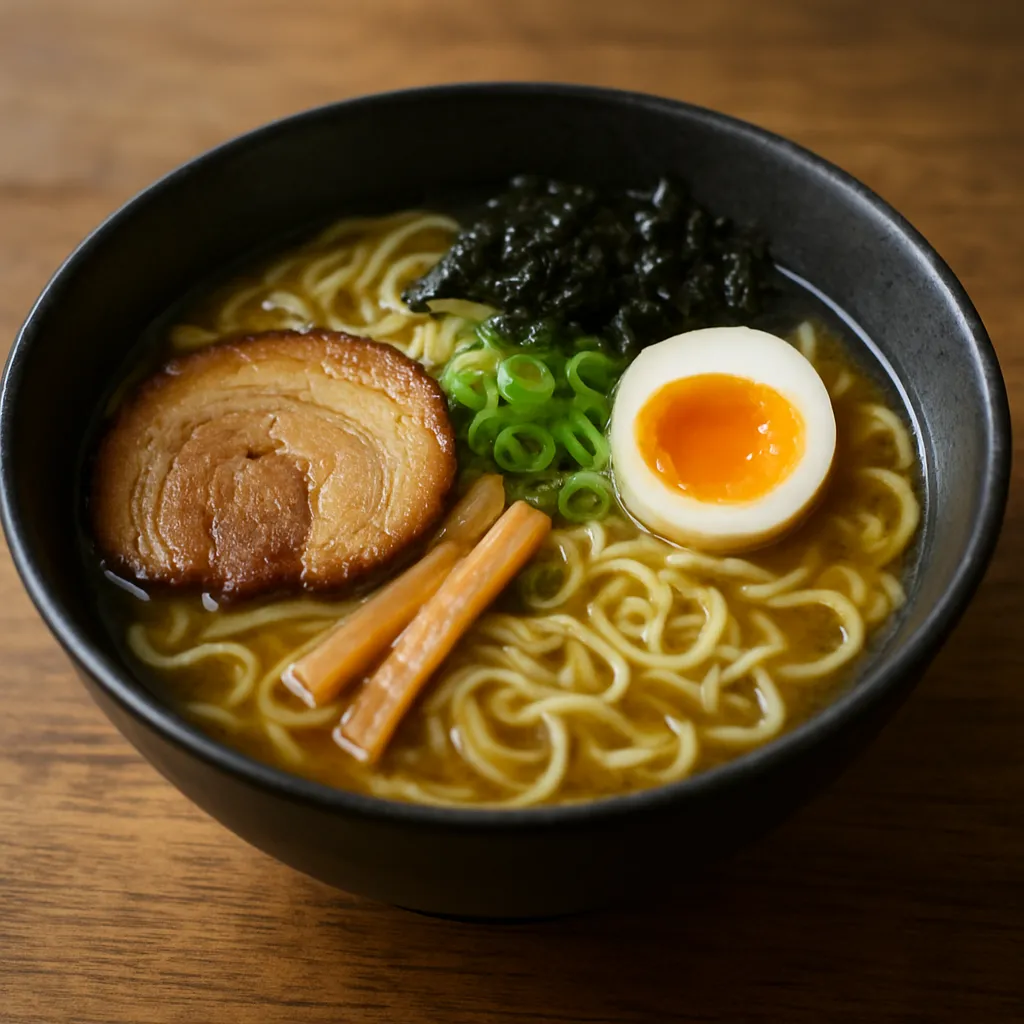
- Protein and Toppings: Char siu, chashu, tofu, or mushrooms add richness; garnish with nori, soft-boiled eggs, scallions, and sesame seeds.
Step-by-Step Assembly
Begin by straining your broth and returning it to a gentle simmer. In parallel, cook noodles to al dente, rinsing briefly if you prefer a firmer bite. Place noodles into a warmed bowl, ladle in the hot stock, then artistically arrange your chosen toppings. Finish with a drizzle of chili oil or infused sesame oil to elevate the flavors.
Understanding Ramen Culture and Etiquette
Eating ramen goes beyond mere sustenance; it’s an immersive ritual with its own authenticity and codes. In Oslo’s ramen bars, you’ll notice:
- Quick service and swift turnover: Ramen is best enjoyed fresh and hot.
- Slurping is encouraged: It cools the noodles and aerates the umami compounds, enhancing the taste.
- Respect for the bowl: Many chefs take pride in the presentation, so handle your dish mindfully.
Whether you’re a seasoned ramen aficionado or someone eager to explore new textures and tastes, Oslo’s ramen offerings promise a symphony of sensations. Each bowl reflects painstaking care—from the long-simmered stock to the hand-cut noodles and the carefully curated toppings. Dive in, slurp loudly, and let your taste buds revel in Norway’s most exciting noodle revolution.