








Oslo stands out as a city with an exceptionally efficient and well-connected public transport system, making it easy for travelers and locals alike to explore its picturesque waterfronts, historic neighborhoods, and vibrant cultural scene. Whether you’re commuting to work, heading out for a fjord cruise, or planning a night out in Grünerløkka, understanding the nuances of Oslo’s transit network can turn every trip into a smooth adventure. This guide offers insider advice on everything from ticketing strategies to hidden routes that guarantee a cost-effective and enjoyable experience.
Getting Started with Oslo Public Transport
1. Overview of the Ruter Network
The backbone of Oslo’s transit infrastructure is operated by Ruter. It encompasses:
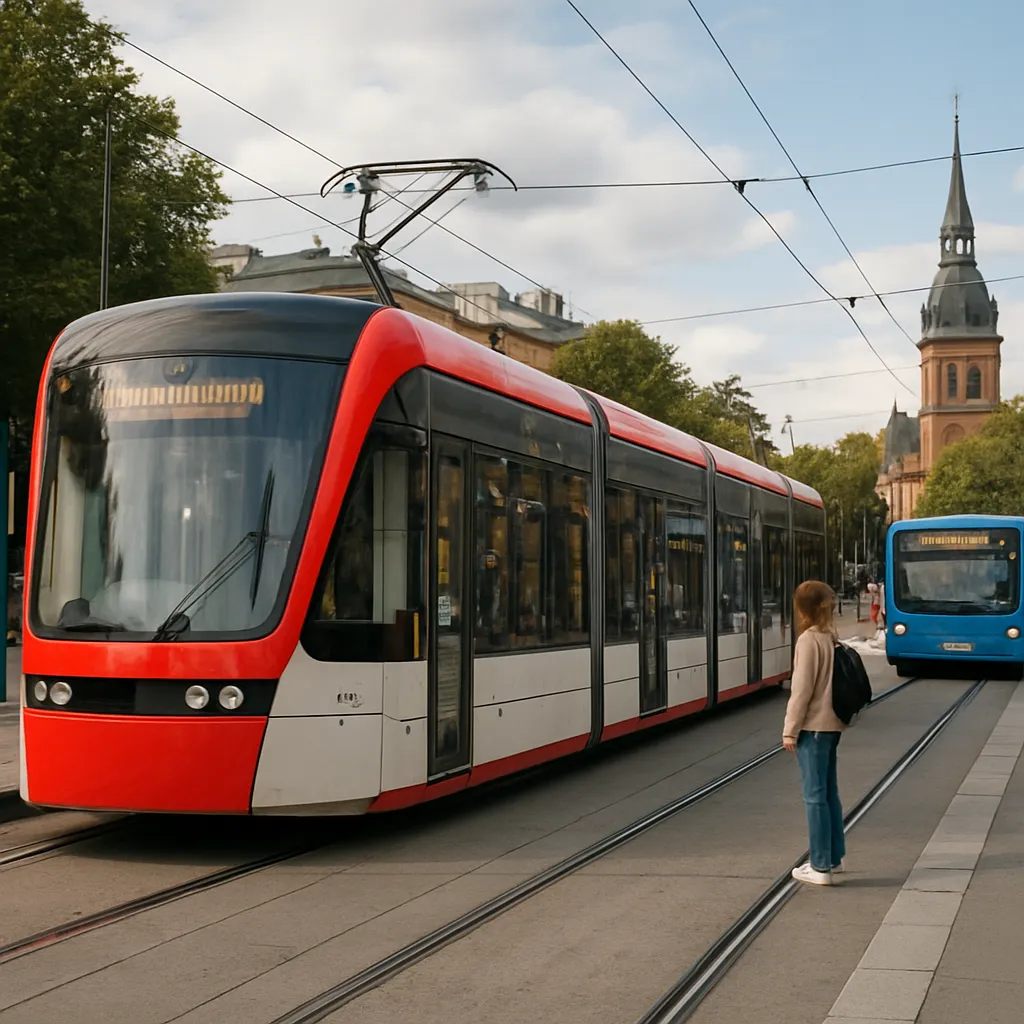
- Trams (Trikken) — covering central districts and scenic routes along Karl Johans gate.
- Buses — reaching suburban areas, hillside communities, and key attractions like Holmenkollen.
- Metro (T-bane) — six lines radiating from the city center to outlying boroughs.
- Ferries (Båt) — crossing fjord inlets, connecting islands, and offering panoramic views.
Understanding the layout of these lines is your first step toward mastering local transit. Download Ruter’s app for maps and maps of all zones at your fingertips.
2. Ticket Zones and Pricing
Oslo’s fare structure relies on concentric ticket zones. Most popular attractions fall within Zone 1. If you remain in central areas, one ticket suffices for trams, buses, and metro rides for 60 minutes. Beyond that, fares increase incrementally:
- Zone 1 (Central Oslo) — ideal for sightseeing, museums, and shopping.
- Zone 2 (Greater Oslo) — suburbs, Holmenkollen, and event venues like Telenor Arena.
- Zone 3 and above — rural and fjord-side destinations.
Purchasing a 24-hour or 48-hour pass may be the most cost-effective option if you plan multiple trips across zones.
Planning and Navigating Your Journey
1. Real-Time Updates and Apps
Nothing beats having up-to-date departure times. Ruter’s mobile app offers real-time updates on delays, platform changes, and service disruptions. Supplement this with Google Maps or Citymapper to compare route options and avoid surprises. Activate push notifications for alerts about night service changes or planned maintenance.
2. Contactless Payments and Ticket Validation
Say goodbye to buying paper tickets if you use contactless credit/debit cards or mobile wallets (Apple Pay, Google Pay). Simply tap on the card readers when boarding and alighting. For tourists, the Passlib system allows recharging an e-ticket via app. Remember to always tap in and out—failure to validate can result in hefty fines.
3. Transfers and Interchanges
Oslo’s system treats each ticket as valid across modes within its time window. This means that, for example, you can start on a tram, switch to a bus, then hop on the metro without paying extra—provided you remain within your ticket’s validity. Plan to interchange at major hubs like Jernbanetorget, Majorstuen, or Nationaltheatret for maximum flexibility.
Advanced Tips for Savvy Travelers
1. Night Buses and Weekend Services
The city runs a network of night buses (N-series) covering key routes on weekends and public holidays. These services help you return safely after late events or bar-hopping, though frequencies are lower than daytime schedules. Always check departure times and any route changes ahead of time.
2. Seasonal Variations and Special Events
During winter months, certain bus lines adapt to snow conditions, and extra services operate around ski jumping events at Holmenkollen. In summer, ferries increase frequency, and RIB-boat cruises connect with remote islands. Major festivals—like Øya Music Festival—often bring pop-up shuttle buses. Monitor Ruter’s event calendar to avoid congestion.
3. Reducing Your Environmental Footprint
Choosing Oslo’s public transit over taxis or rental cars contributes to a smaller environmental footprint. Many trams and buses run on renewable hydrogen or electricity. For short distances in pedestrian-friendly zones, consider combining transit with bike-sharing schemes like Oslo Bysykkel to cover the “last mile.”
Accessibility and Comfort
1. Services for Passengers with Reduced Mobility
Almost all metro stations, newer tram stops, and central bus hubs offer elevator access and low-floor vehicles. When planning, use the Ruter app’s accessibility filter to identify routes that guarantee barrier-free travel.
2. Peak Hours vs. Off-Peak Travel
Like most capitals, Oslo experiences rush hour crowds from 07:00 to 09:00 and 15:30 to 17:30 on weekdays. If you prefer a quieter ride, utilize off-peak windows, when seating is plentiful and boarding is more relaxed.
3. Biking and Walking for Short Trips
In compact neighborhoods such as Aker Brygge or Frogner, walking or cycling might outpace buses stuck in traffic. Combine a public transport pass with short-term bike rentals to enjoy both speed and fresh air. Docking stations are plentiful near transit stops, so switching modes is seamless.
Secret Hacks and Local Favorites
1. Scenic Tram Rides
Line 12 offers an unexpected panorama of fjord shores, quaint houses, and forests. Board at Jernbanetorget and ride all the way to Kjelsås for a cost-effective sightseeing cruise. Sit on the left side for the best views.
2. Ferry Hopping for Hidden Islands
Use your Zone 1 ticket on Oslo’s inner-fjord ferries. Stops at Hovedøya, Gressholmen, and Langøyene provide tranquil beaches and walking trails just minutes from central Oslo. Pack a picnic to make the most of these green escapes.
3. Off-the-Beaten-Path Bus Lines
Line 30 (Bussekspress) connects Oslo to the cultural hub of Drammen but also stops in scenic suburbs like Nordstrand. Avoid tourist-packed metros and discover local shops, bakeries, and parks tucked away along these routes.
Ensuring a Smooth Fare Experience
1. Top-Up Strategies
Load your e-ticket with enough credit for a full week if you plan multiple zone crossings. Ruter offers discounts for weekly and monthly commitments. Stagger your top-ups using online autosave to never face an expired ticket during peak travel.
2. Handling Ticket Inspections
Inspectors often board unannounced. Display your ticket or digital pass on your phone screen. Be prepared to show ID if asked—this prevents misunderstandings and fines.
3. Student and Senior Discounts
Students and seniors qualify for reduced fares on all Ruter services. Always carry a valid ID or student card to access these benefits. Discount passes can be purchased at Ruter centers or via the official app.
Leveraging Multimodal Journeys
1. Combining Trains and Trams
The Vy regional trains link Oslo to nearby towns and ski resorts. Pair a train ticket with a tram or bus segment within Oslo for a seamless door-to-door trip. This is particularly handy for day trips to Hadeland Glassverk or Kongsberg.
2. Car-Free Weekend Guides
Create a car-free itinerary: start with a tram ride to Frogner Park, hop onto a ferry for Bygdøy’s museums, then finish with a bus back to Grønland for ethnic eateries. Each leg offers unique urban perspectives without emissions.
3. Day Pass Adventures
Investing in a 24-hour or 48-hour pass unlocks spontaneous exploration. Wake up, tap in at any station, and change modes all day long. Your pass covers every tram, bus, metro, and inner-fjord ferry—perfect for last-minute detours to hidden bookstores or waterfront cafés.